Ellis Entwined: An Afternoon of Art, History, and Discovery in Savannah
An October Afternoon in Ellis Square
The October sun warmed Ellis Square as I walked its brick paths, sketchbook in hand. People crossed beneath the trees, water moved through the fountain, and Savannah carried on around me. I had arrived early for the Olmsted Plein Air PaintQuick to observe before the two-hour competition began.
I noted the hexagonal tiles, checkerboard paving, the complementary colors of the Wexford pub, and the contrast of brick and stone. The walkways, shifting shadows, construction platforms near the Digby Hotel, and Johnny Mercer statue all offered shapes to translate into paint.
I wanted to contribute to Savannah’s art community, introduce people to my work, and have fun. Still, I was nervous. While other artists painted scenes before them, I would paint an abstract map. Would anyone recognize it?
The Stories Beneath the Square
Ellis Square has been reimagined for nearly three centuries. Part of Decker Ward, it belonged to the first four squares of Savannah’s 1733 Oglethorpe Plan. Its geometry connected public space to everyday life. Later, the square became central to City Market, where people gathered to trade goods, exchange news, and sustain community ties.
This history includes painful realities. Enslaved and free African Americans contributed to the marketplace, while the surrounding ward was also connected to the sale of enslaved people. At the same time, Black communities preserved traditions of craftsmanship and enterprise.
Telfair Museums’ exhibition Roots in the Rushes: African American Basketry of the Lowcountry illuminates one such tradition. Rooted in West African knowledge carried by enslaved Africans, coiled basketmaking served rice cultivation and became an enduring expression of Gullah Geechee artistry. Savannah’s marketplace offered basket makers a place to sell their work. Their skill and cultural knowledge endured beyond any single building.
In 1954, the historic market building was demolished for a parking garage. This was more than an architectural loss: a gathering place shaped by generations of exchange gave way to automobile infrastructure. The demolition helped energize Savannah’s preservation movement. When Ellis Square reopened in 2010, public life returned to a space that had changed dramatically.
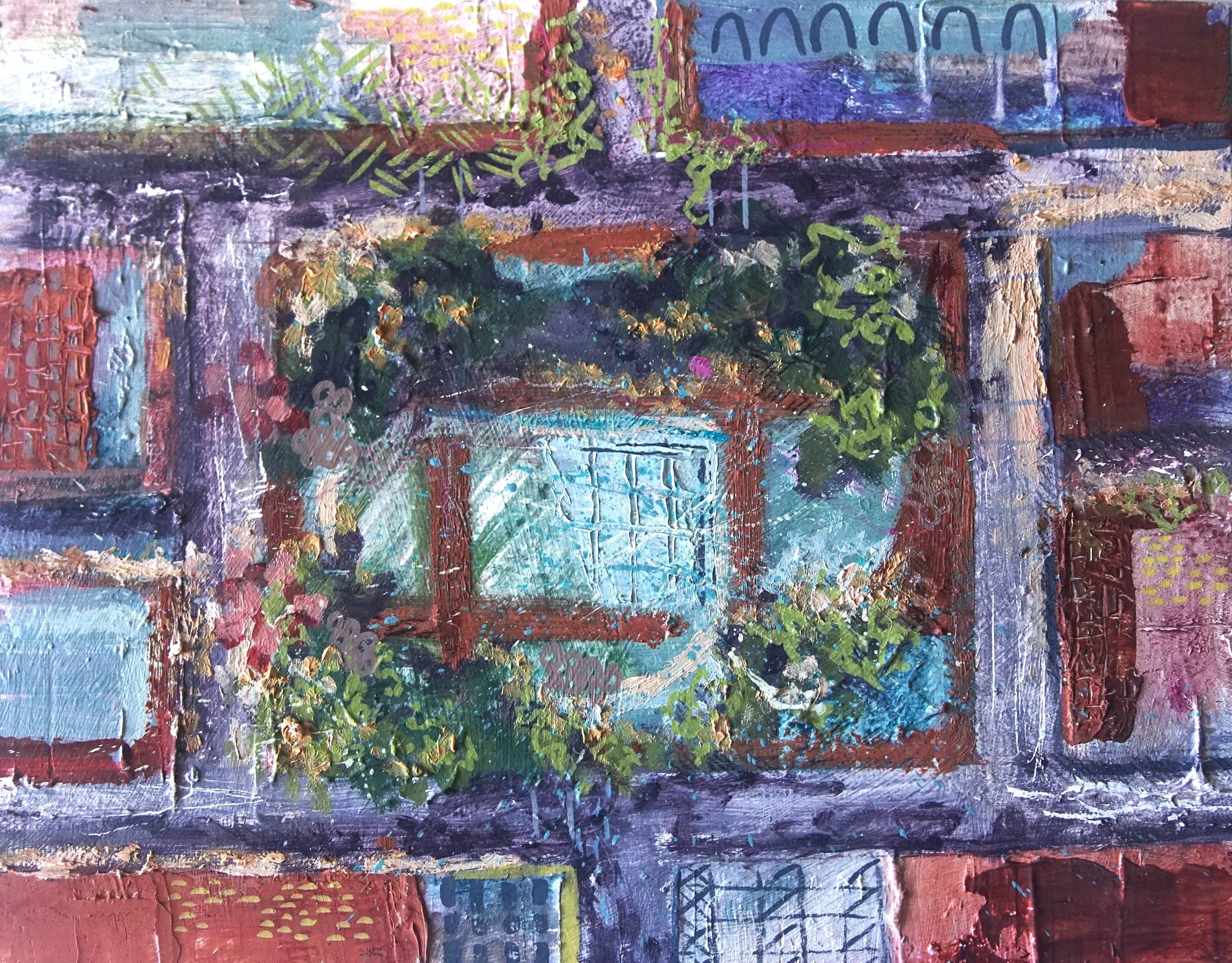
Walking there, I thought about what remains when buildings vanish. Heritage survives in people, practices, and memories as much as in monuments. I titled my painting Ellis Entwined for the square’s role in Oglethorpe’s plan and the lives woven through it. Like strands of a Lowcountry basket, these histories cannot be neatly separated.
Preparing for the Unexpected
I practiced the composition several times in my studio, hoping to make quick decisions once the clock started. Yet the studies felt flat and illustrative. Something was missing that I could only find on location.
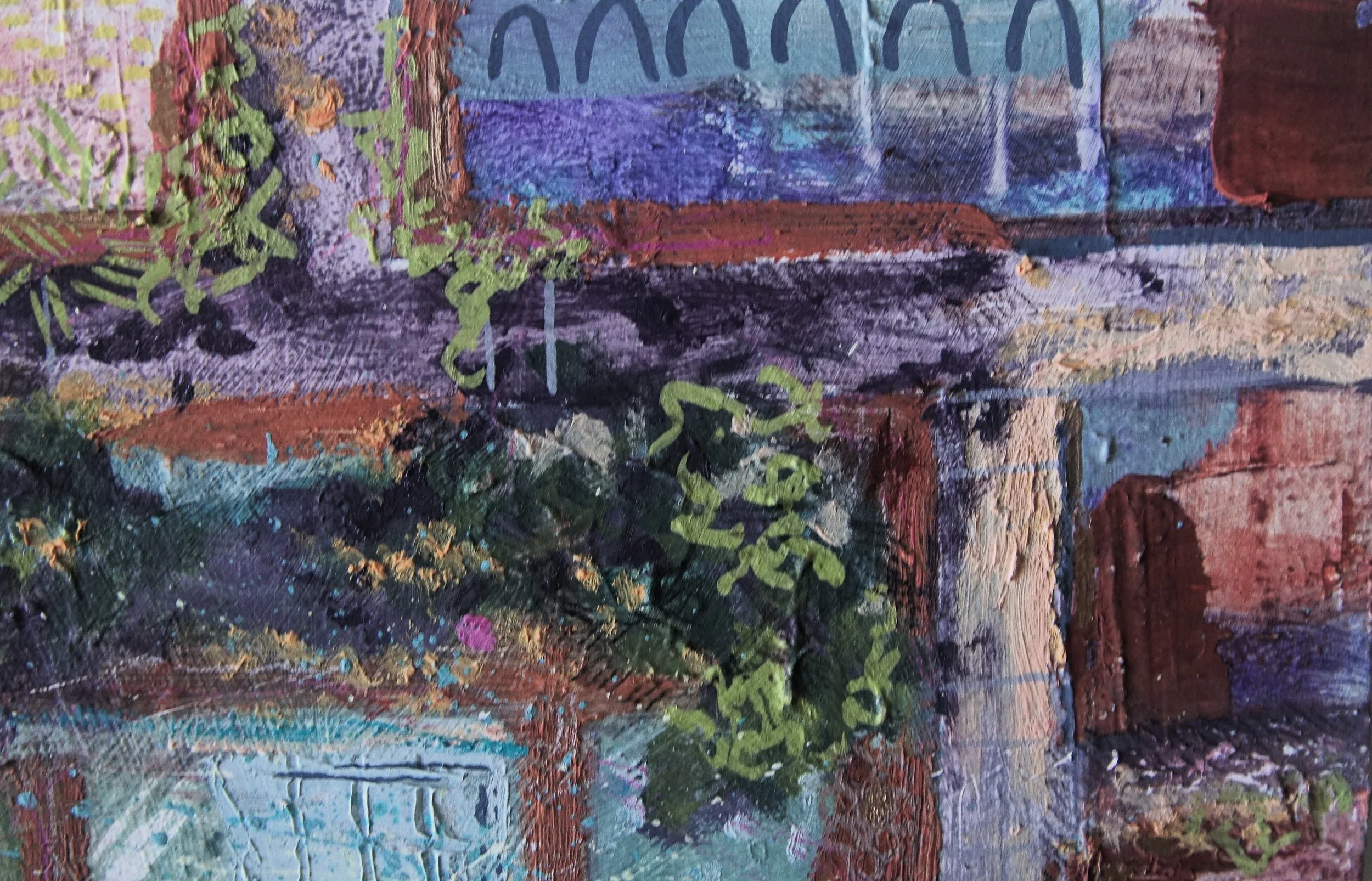
I began on a heavily gessoed linen panel, its texture recalling the square’s repeated transformations. Gouache flowed in loose washes; acrylic established the accurate geography beneath the abstraction. I added thicker paint, scraped passages away, and let marks suggest movement. I wanted to respond to the square, not reproduce a rehearsal.
In Walking on Water: Reflections on Faith & Art, Madeleine L’Engle reflects on an artist’s responsibility to listen to the work rather than control every moment. I tried to give the painting room to tell me what it needed.
Finding Confidence in the Chaos
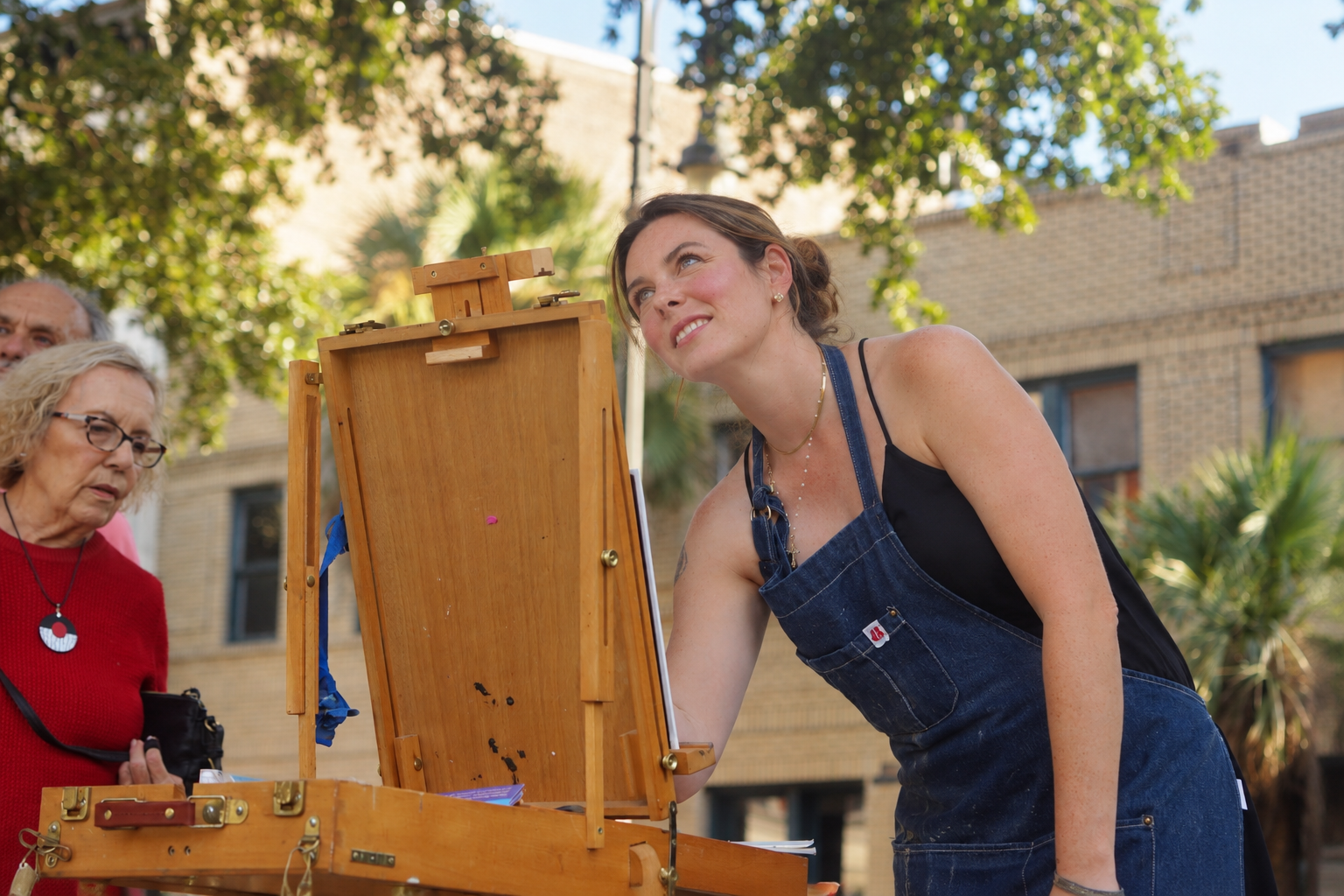
Every painting has an awkward stage. Mine happened in front of spectators. As other artists developed recognizable scenes, I spread washes and scraped through what looked like a chaotic mess. Passersby asked questions or offered encouragement, though some reactions were uncertain.
I felt tempted to rush toward recognizable details. But defining everything too soon would cost the painting its energy. Instead I returned to a familiar mantra: Thin to thick. Dark to light. Soft edges, hard edges. Complementary colors. Push the lights. Push the darks. Repeat. I kept working and waited for the composition to settle.
The Final Thirty Minutes
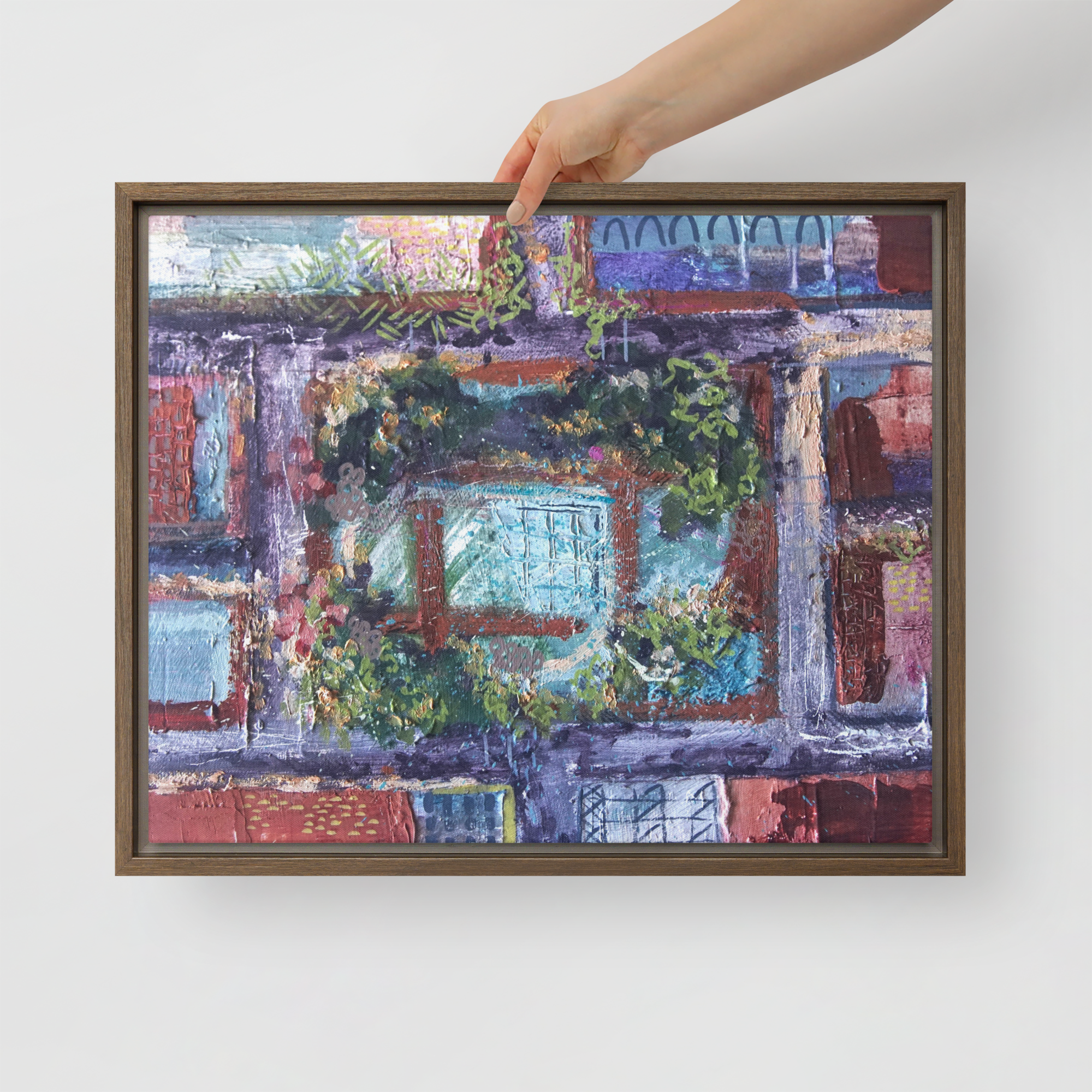
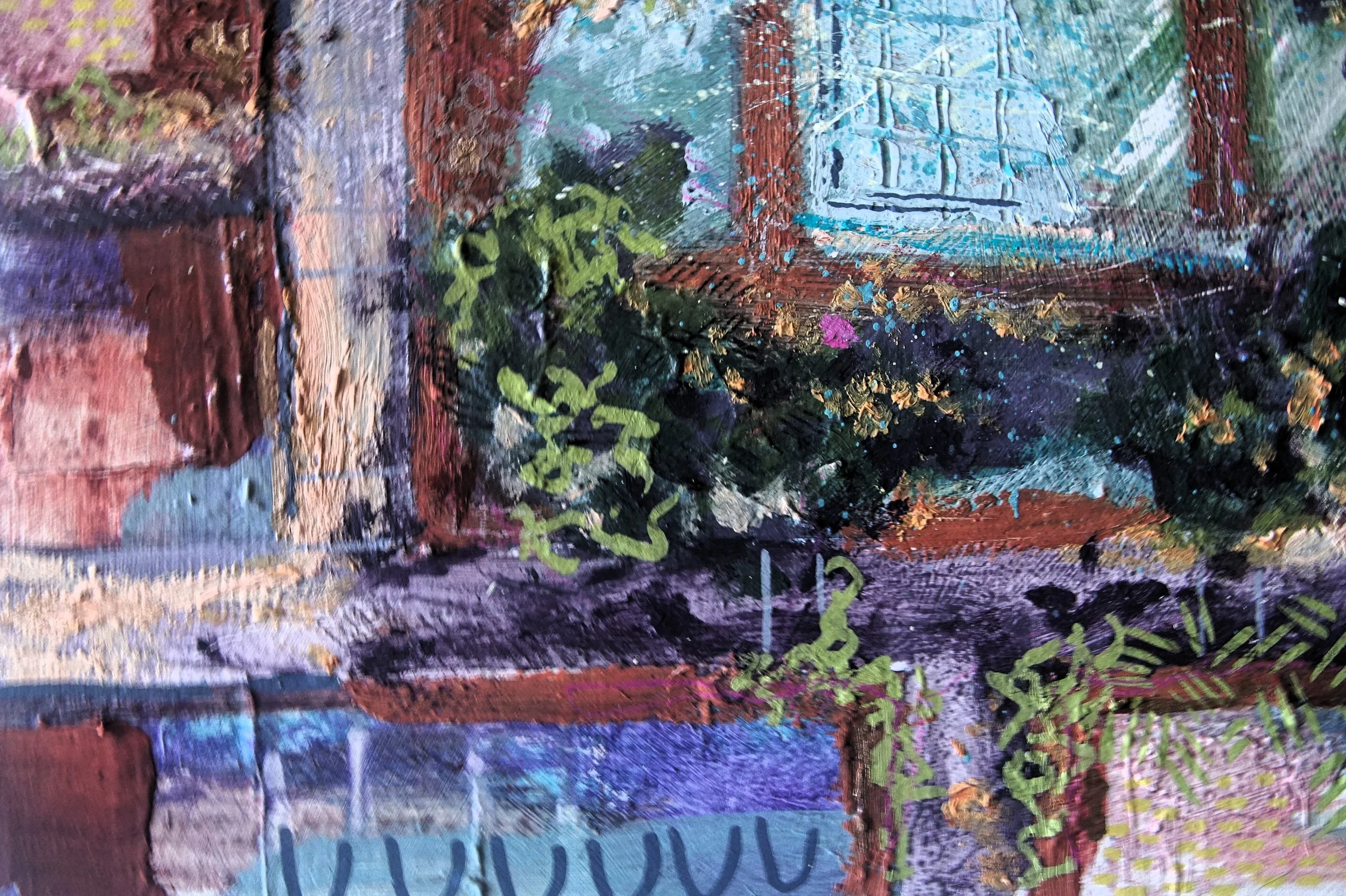
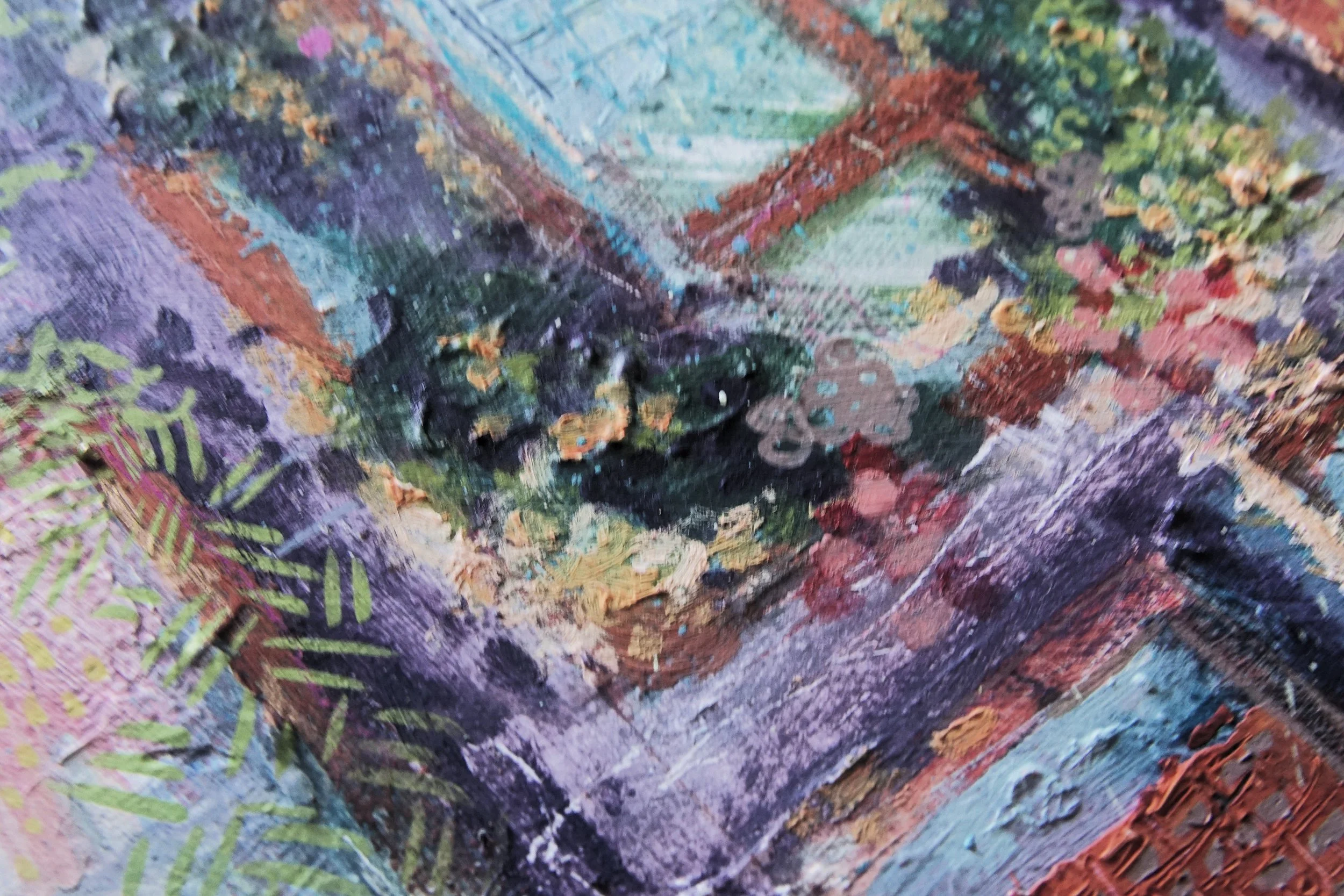
Only in the last half hour did the painting come alive. Dashes evoked brickwork; lines and curves echoed architectural windows. Pencil marks and scraped paint traced movement across the square. Bubbly circles suggested people gathering, and splashes radiated from the fountain. My favorite detail was a gold-leaf hexagon marking Johnny Mercer’s statue.
These were observations translated, not objects copied. I pushed the lights brighter and the darks deeper, stepped back, and finally knew the painting was finished.
When the Audience Saw the Map
People returned to my easel throughout the afternoon, curious about its progress. An older couple asked about the history behind my perspective, giving me a chance to share what I had learned about the square.
The best moments came when viewers looked closely at the marks and suddenly recognized Ellis Square from above. Their expressions changed as the geometry clicked into place. I hoped the painting invited them to consider both the history beneath their feet and their own place within Savannah.
An Unexpected First Place
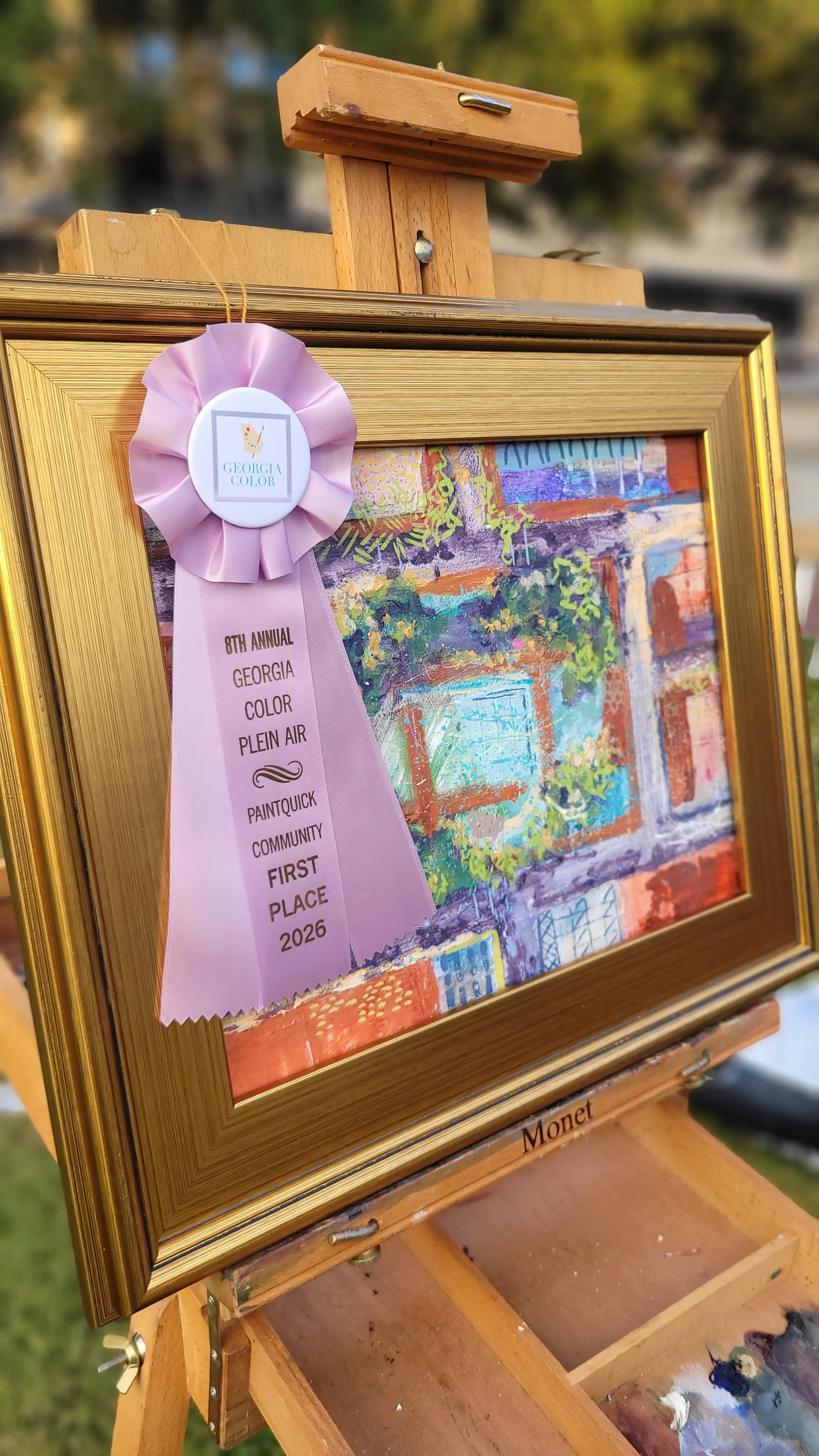
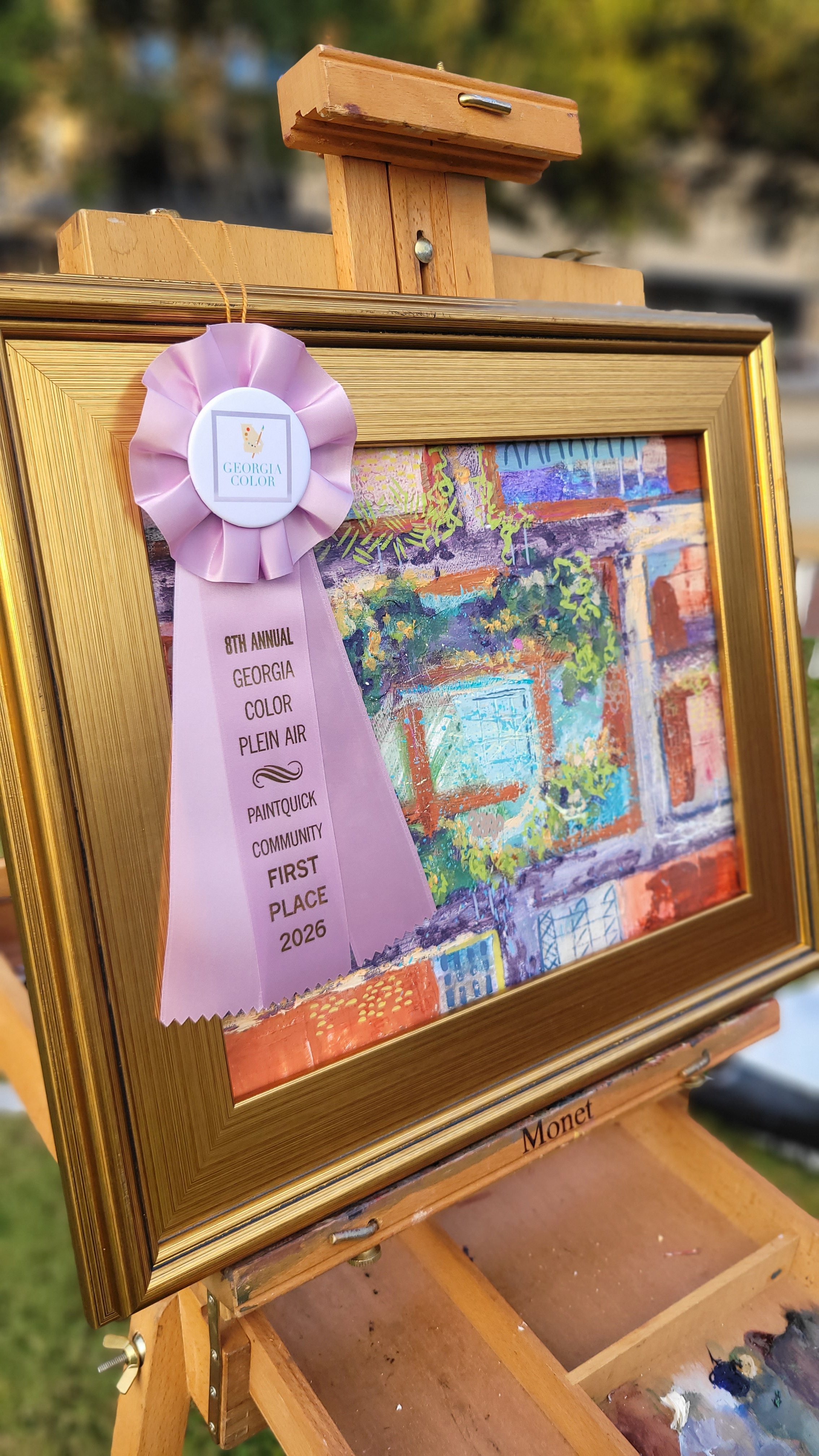
When Ellis Entwined won first place in the community artist category, I was shocked. I had doubted whether abstract cartography belonged in a plein-air competition. The award mattered, but so did seeing viewers connect with an unfamiliar perspective.
For my Savannah Cartography Series, I usually bring sketches and observations home to develop in the studio. PaintQuick taught me what happens when I bring the painting into the landscape instead. Conversations, changing light, and the movement of the square gave this work an energy my rehearsals lacked.
What I Carried Home
Preparation and research matter, but so does leaving room for discovery. Painting in public reminded me that uncertainty need not be a problem to solve. Sometimes it is where the work begins to breathe.
An award is a welcome honor, not the measure of a painting’s worth. Ellis Entwined became a record of one afternoon within a much longer history, shaped by architecture, people, conversation, and surprise. A map can show us where we are. Art can invite us to consider where we belong within that space.
Ellis Entwined | Original Artwork
First Place, Community Artist | 2026 Olmsted Plein Air PaintQuick
11 × 14 inches | Original mixed-media abstract cartography painting | Framed
Original available framed: $894
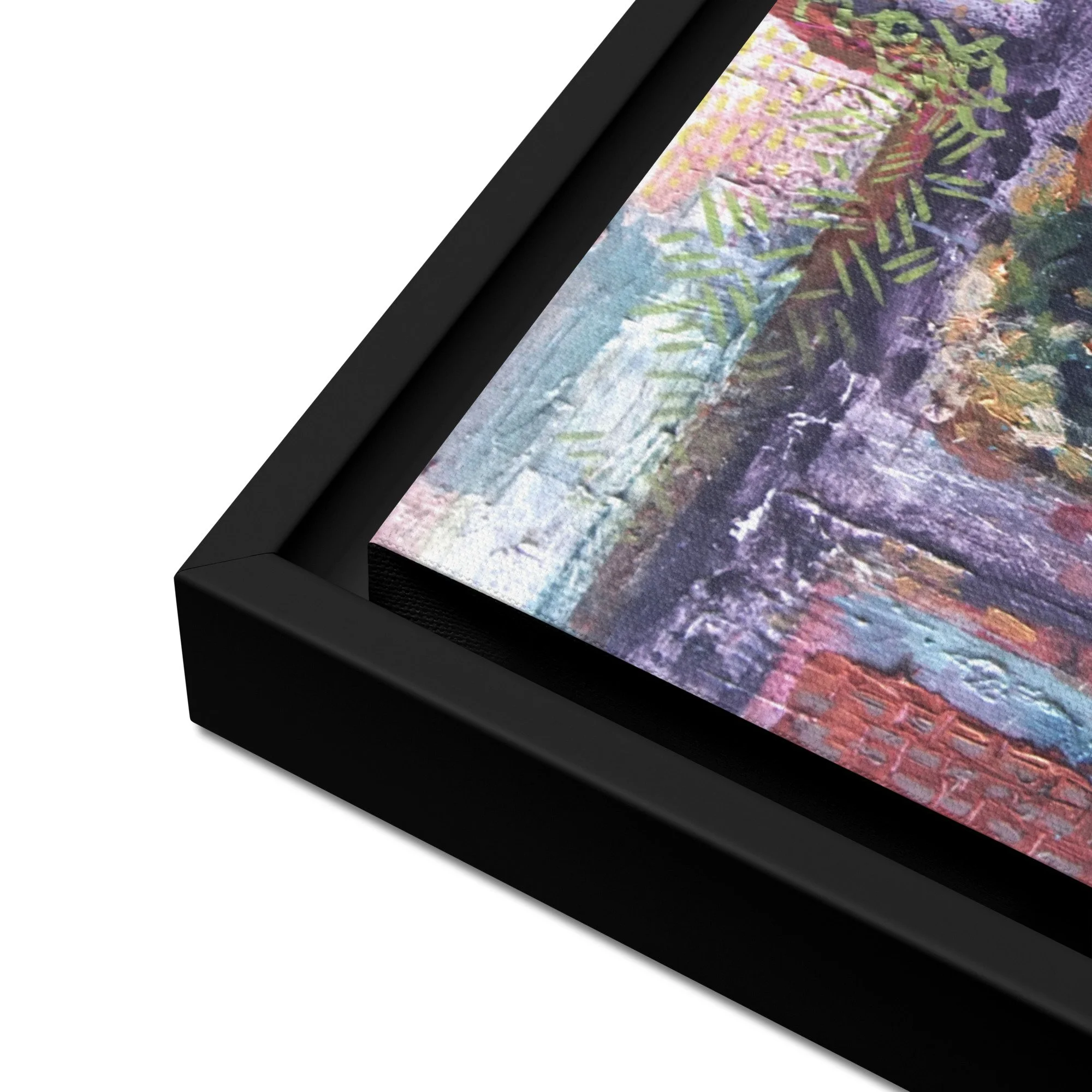
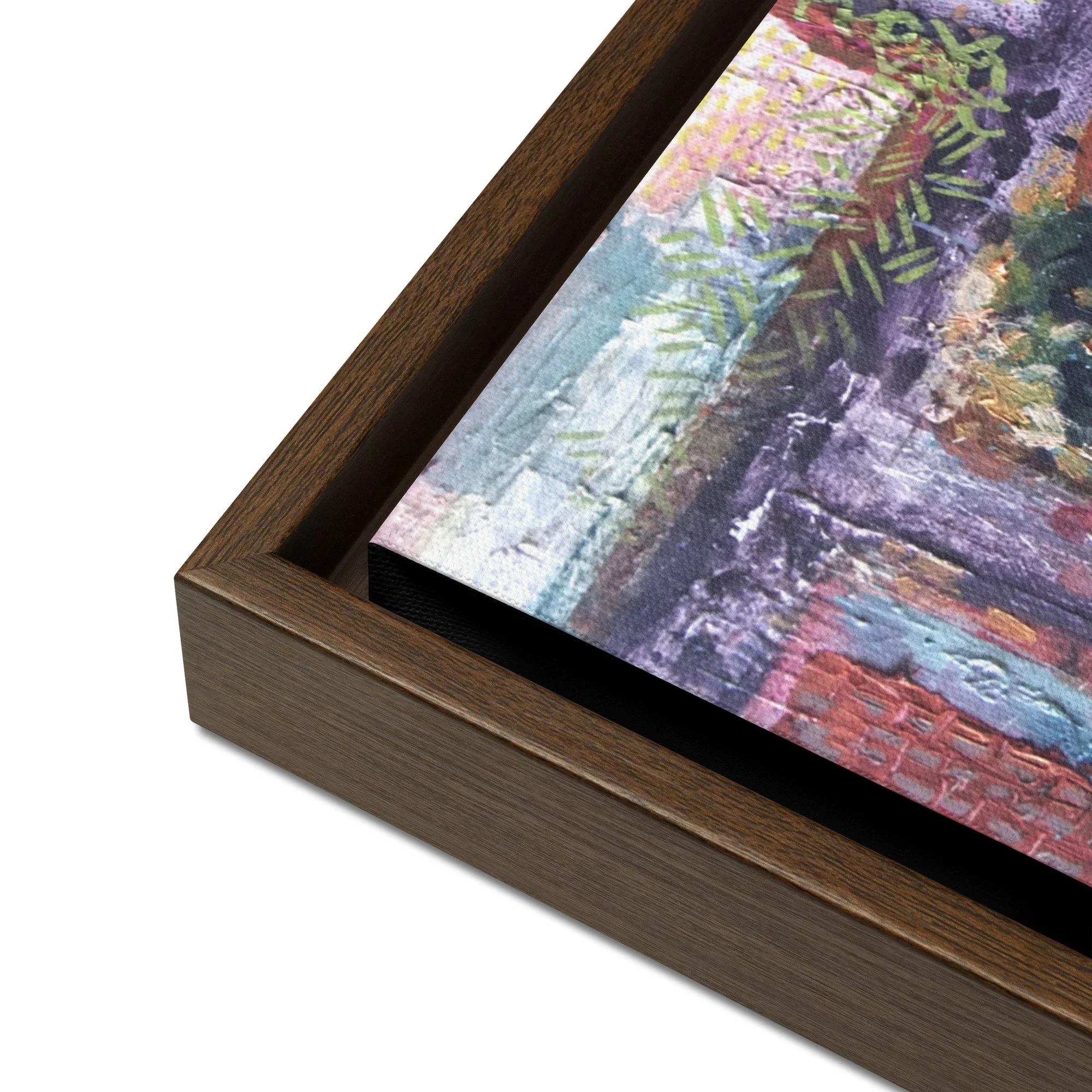
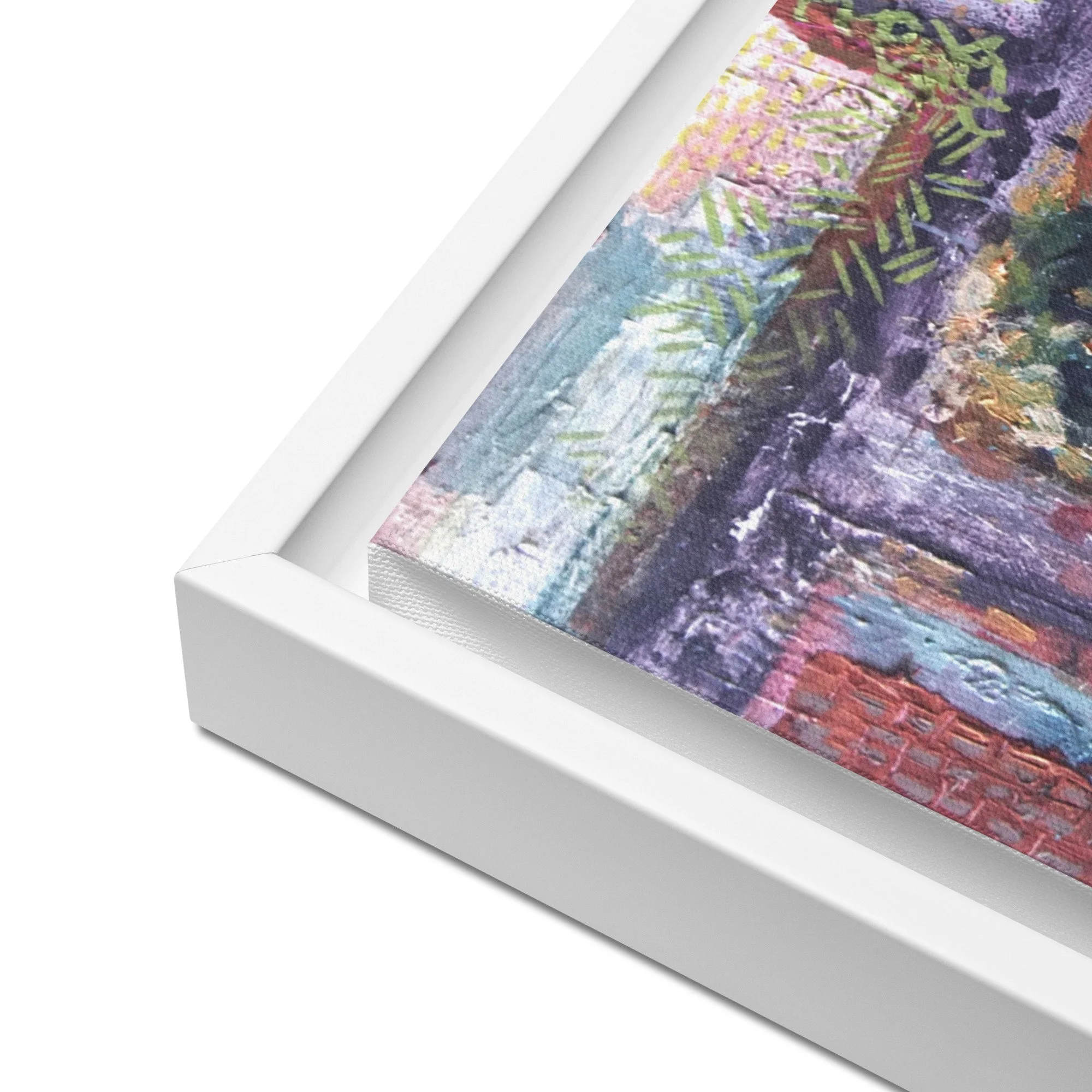
Ellis Square has been a gathering place for generations, from its beginnings in Savannah's 1733 Oglethorpe Plan to the bustling City Market and the public square we know today.
Ellis Entwined explores the histories woven into this familiar landscape. Through expressive color, textured marks, and abstract cartography, Christina Leigh traces the square's architectural geometry, movement, and cultural heritage. Small details reference its brick walkways, central fountain, and Johnny Mercer statue, inviting viewers to discover Savannah from an unexpected aerial perspective.
Created on location during the 2026 Olmsted Plein Air PaintQuick, the original painting received First Place in the Community Artist category.
This framed reproduction brings a piece of Savannah's living history into your home, celebrating the connections between geography, community, and the places we carry with us.
Artwork Details:
Artist: Christina Leigh | CLR Creations
Collection: Savannah Cartography
Medium: Framed reproduction of original mixed-media artwork
Original artwork: 11 × 14 inches
Recognition: First Place, 2026 Olmsted Plein Air PaintQuick, Community Artist category
Original painting available separately for $894, framed.
Frame and print specifications:
• Pine tree frame
• Frame thickness: 1.25″ (3.18 cm)
• Canvas fabric weight: 10.15 +/- 0.74 oz/yd² (344 g/m² +/- 25g/m²)
• Open back
• Comes with rubber pads on the back corners
• Hanging hardware attached
• Blank product sourced from the US
