CLR Creations: Abstract Cartography
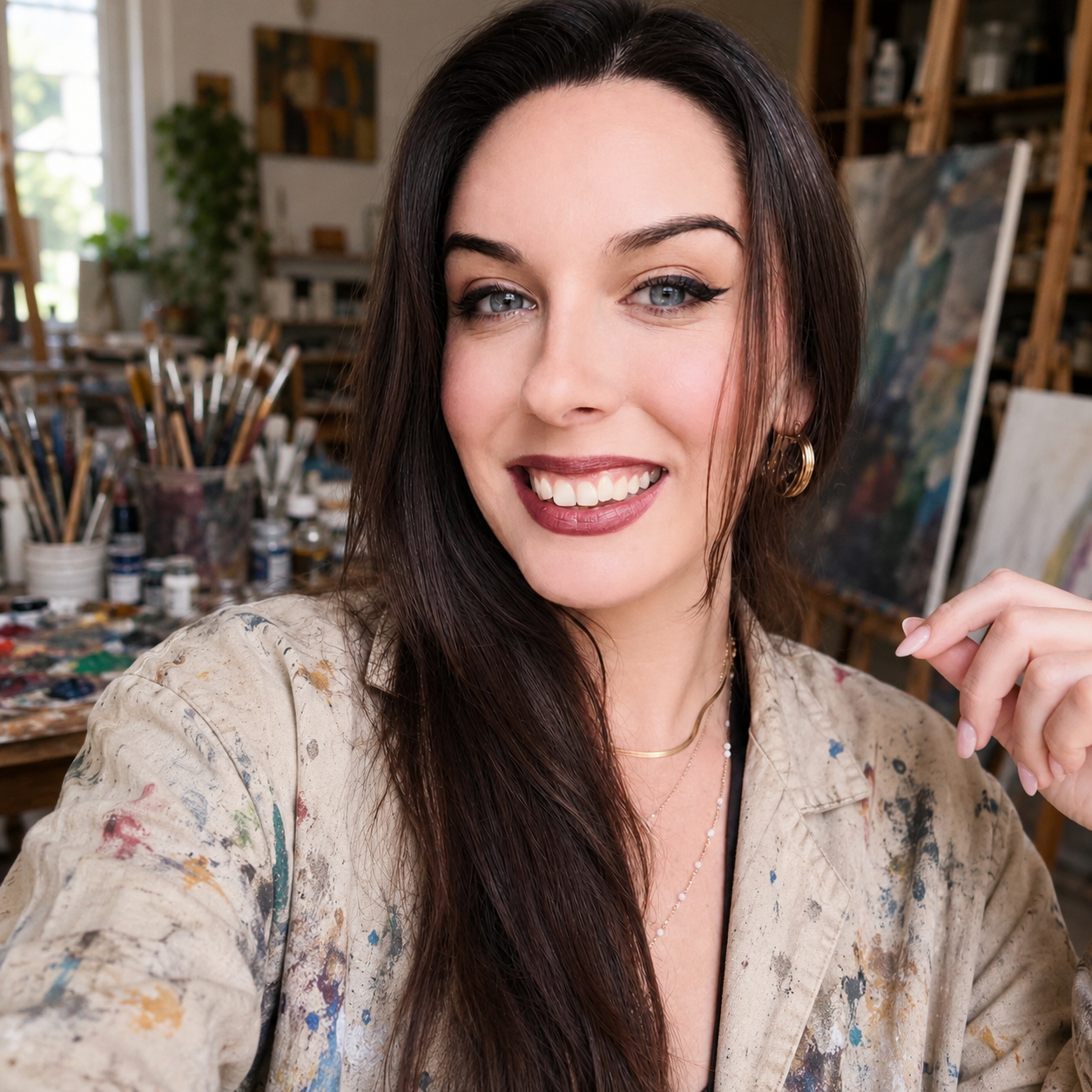
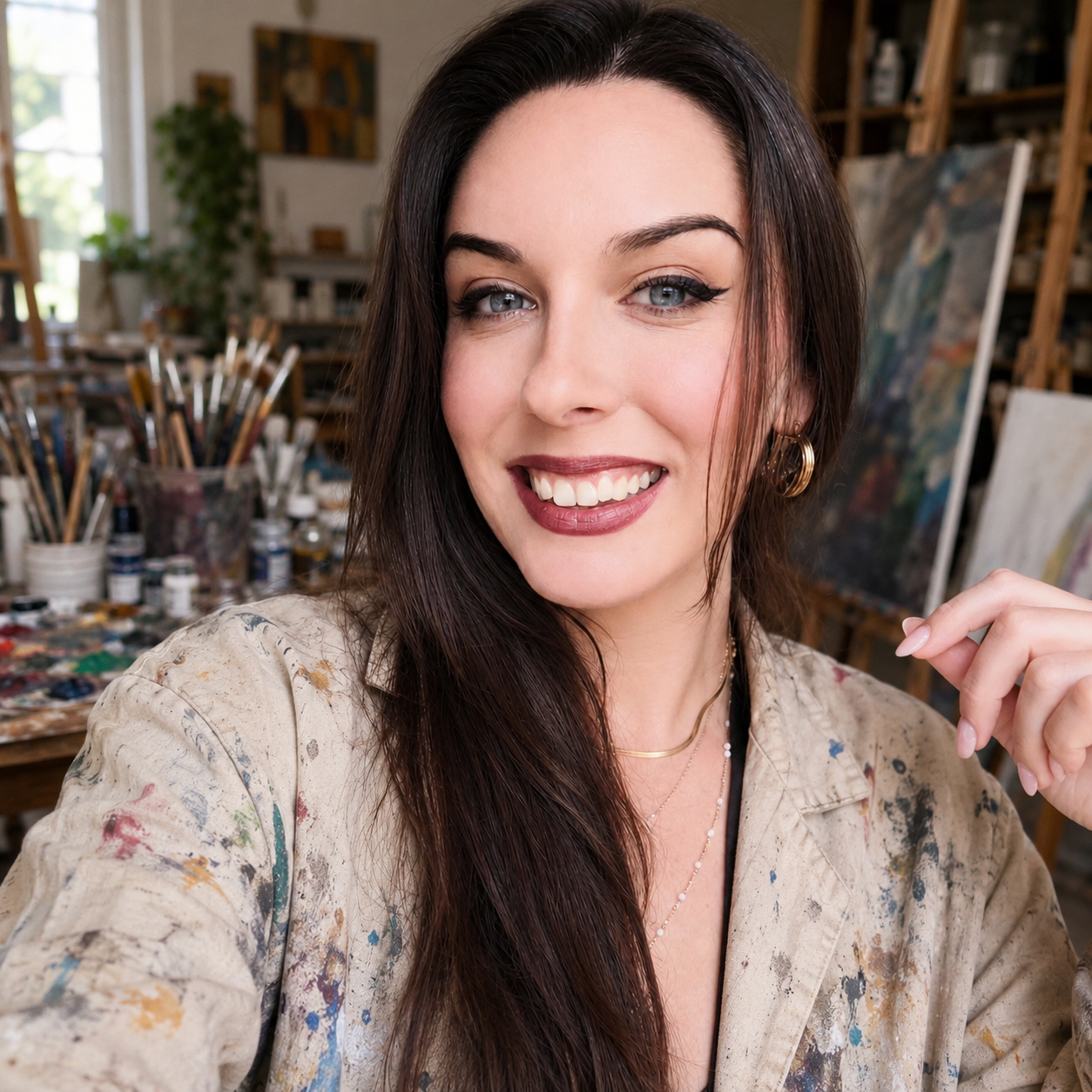
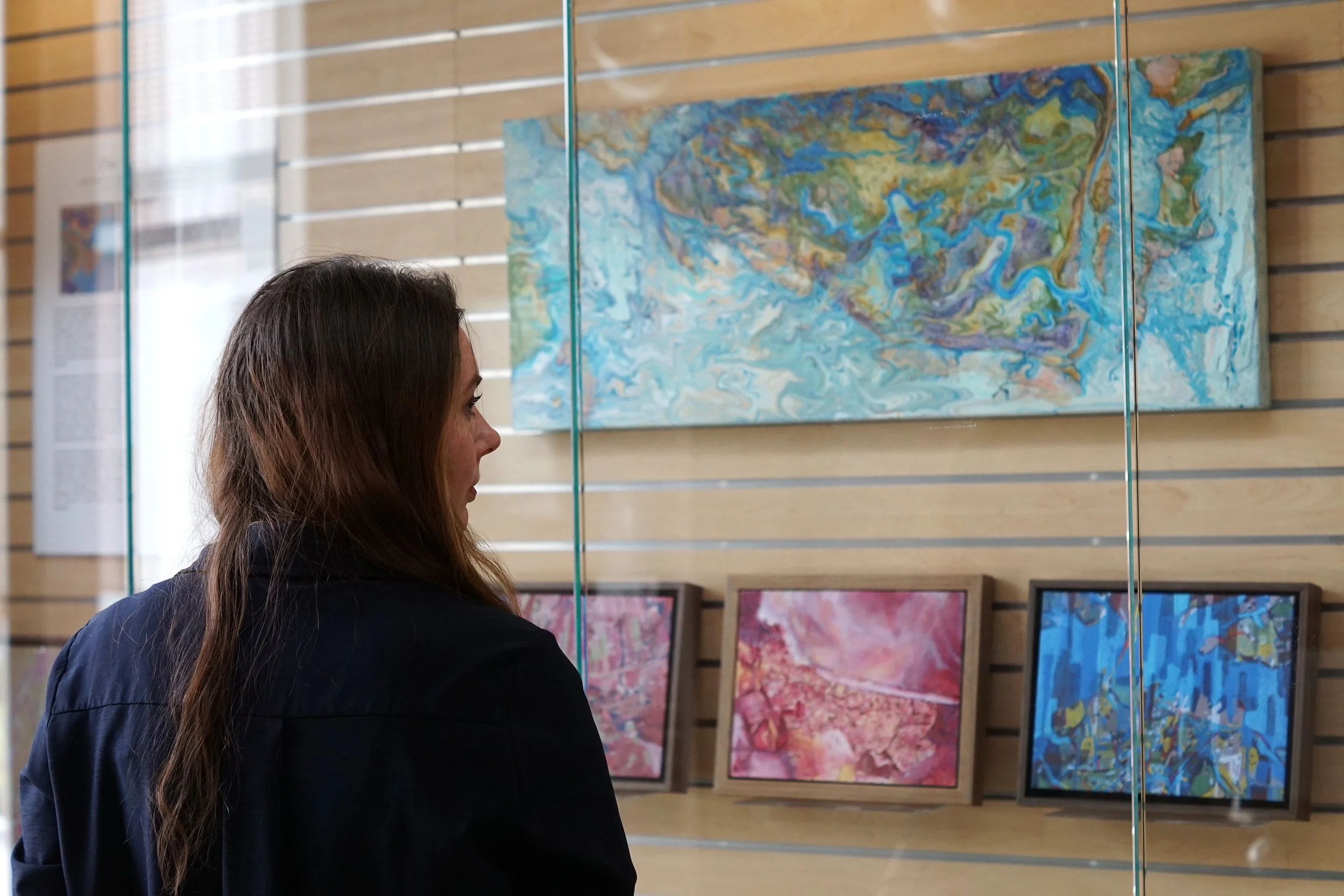
Christina Robinson is a contemporary artist based in Savannah, Georgia, and the founder of CLR Creations. She creates abstract cartography paintings inspired by travel, transforming maps into textured works that celebrate memory, landscape, and the journeys that shape our lives.
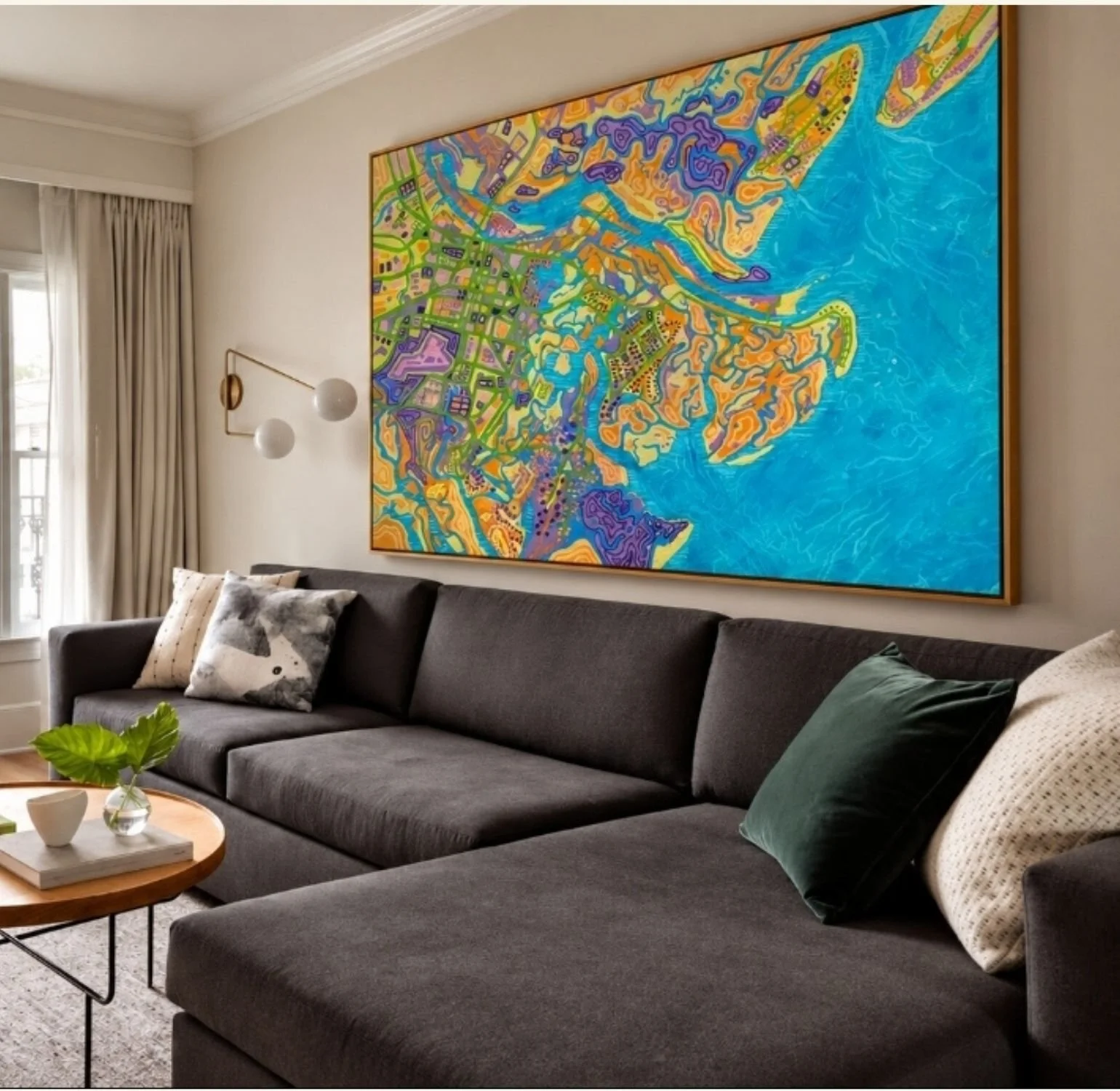
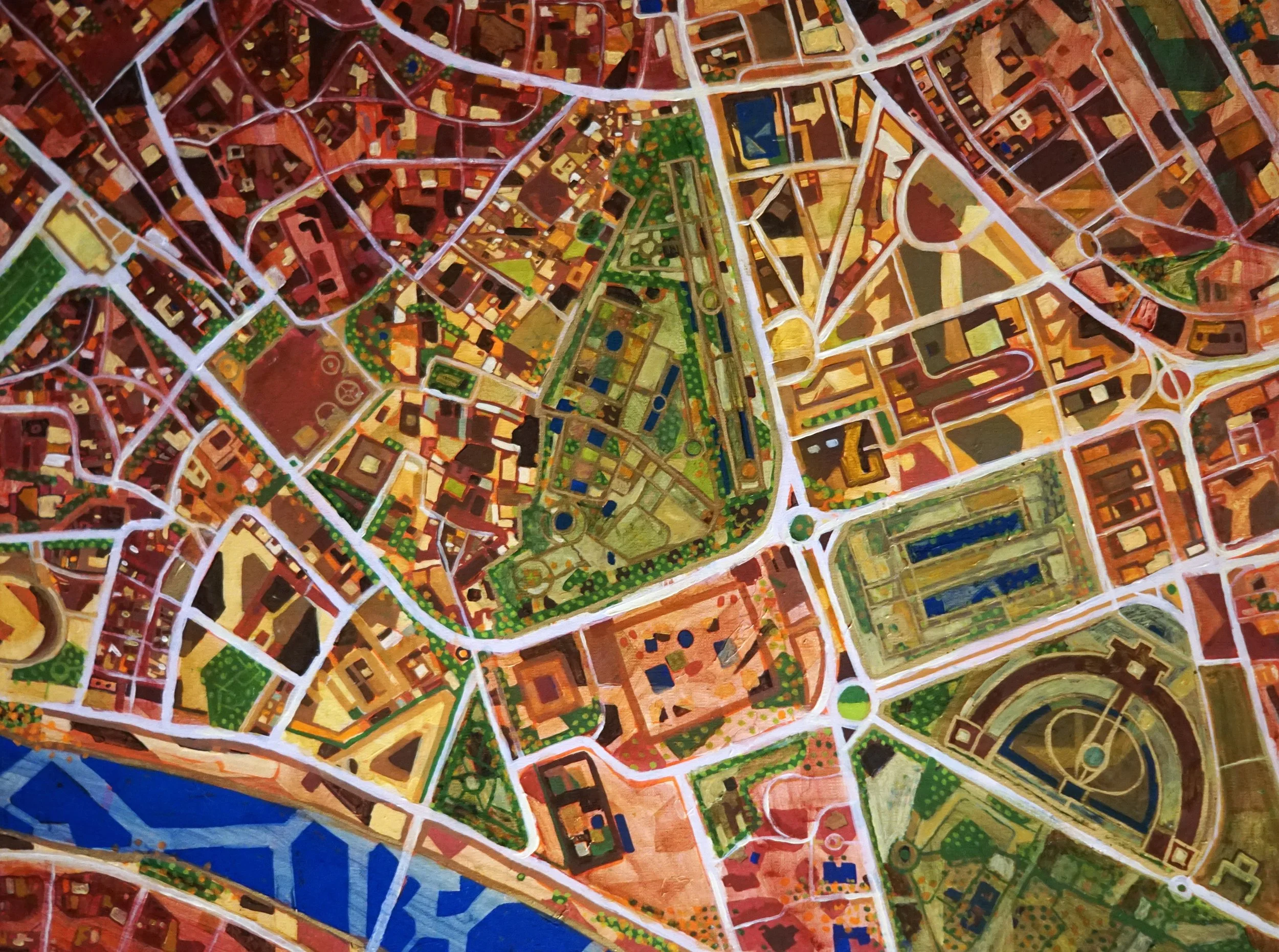
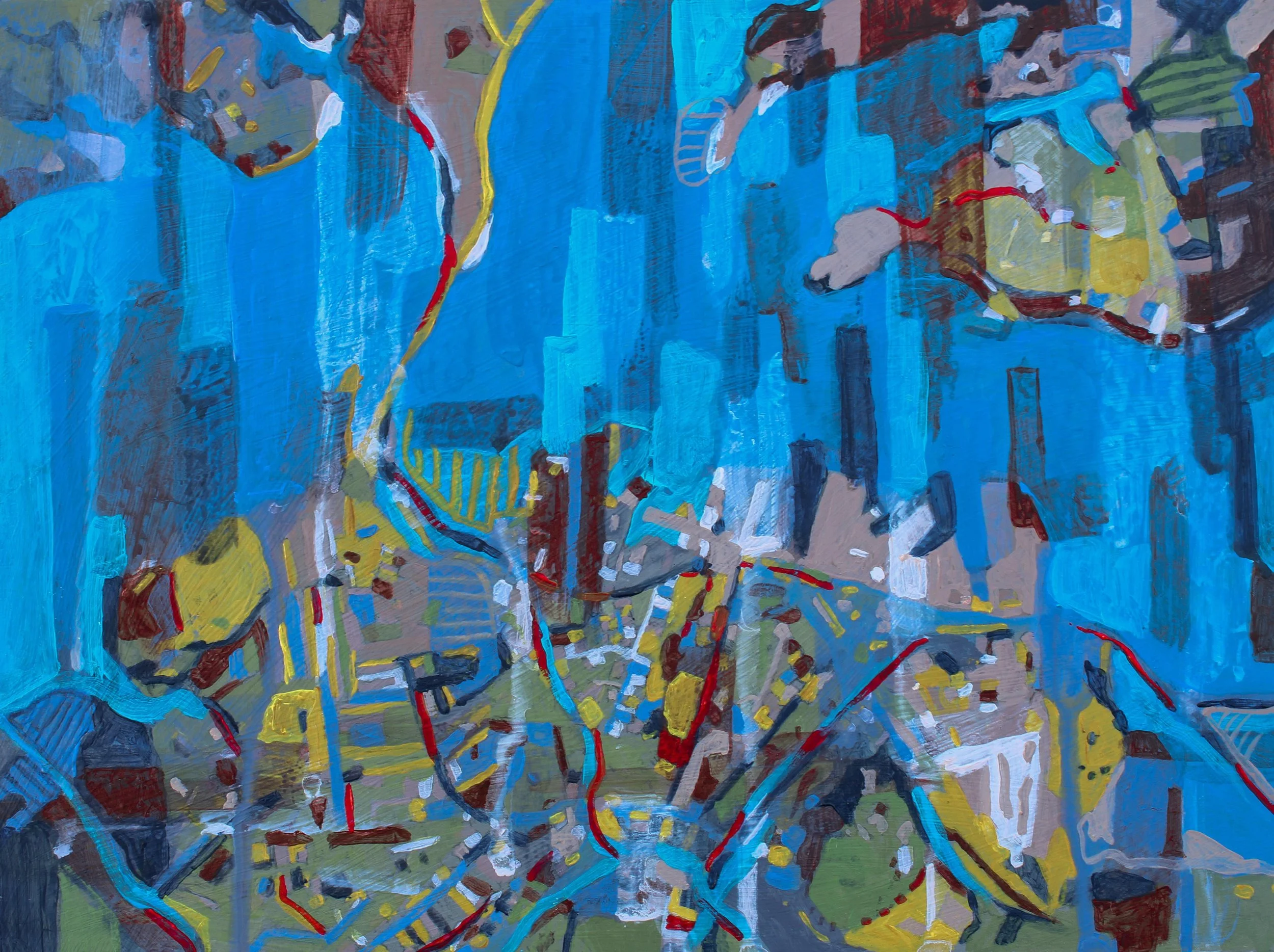
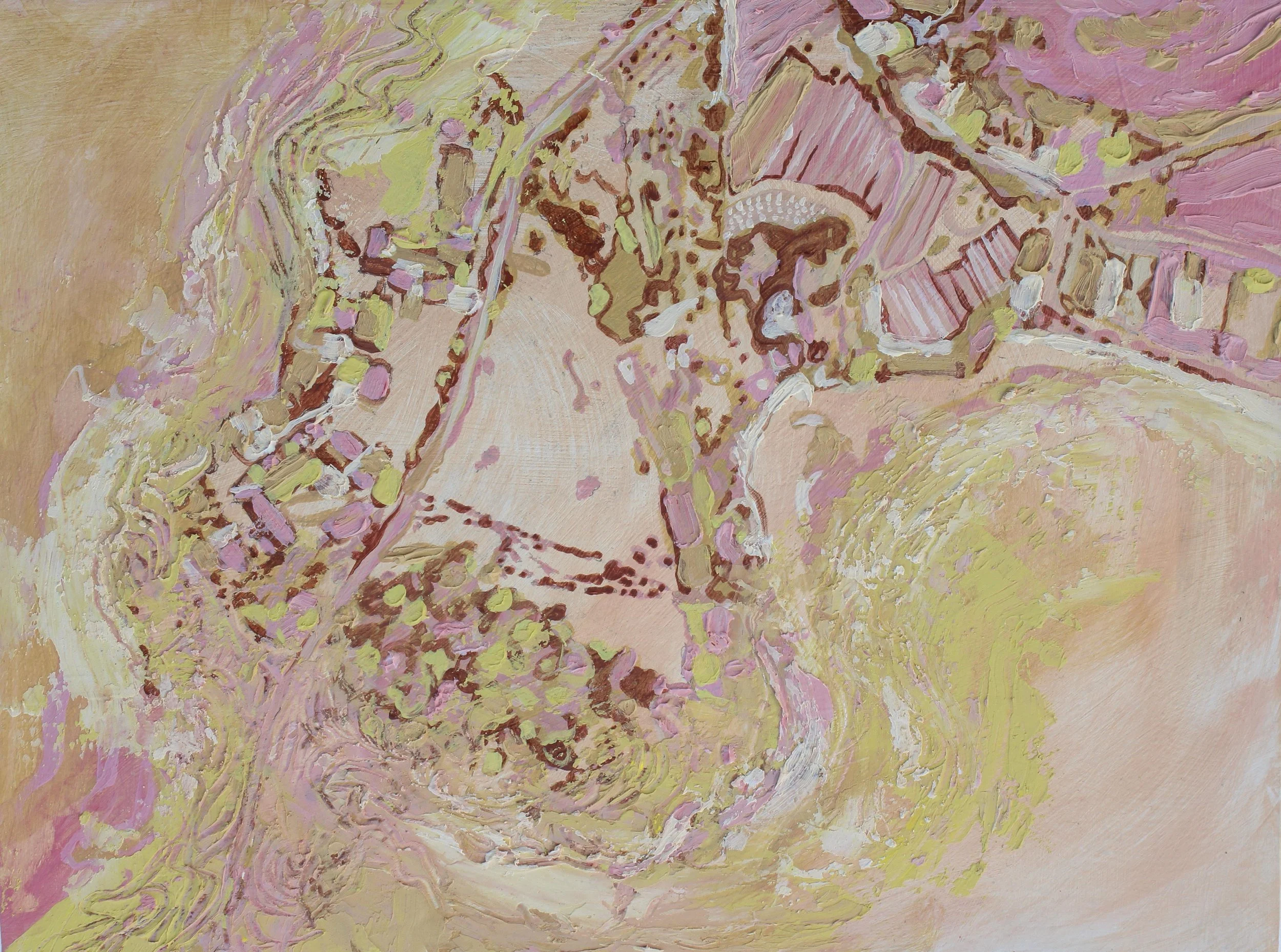
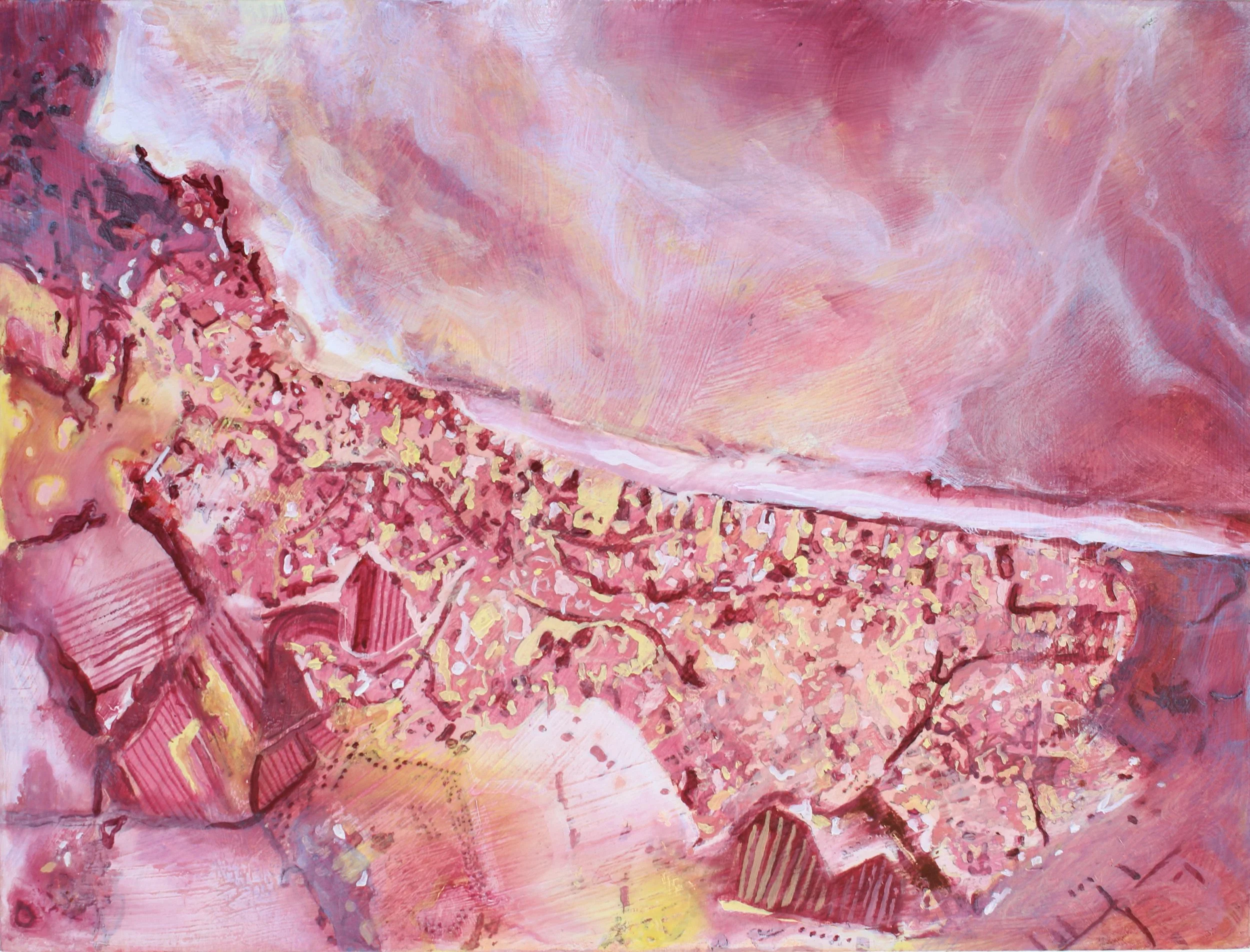
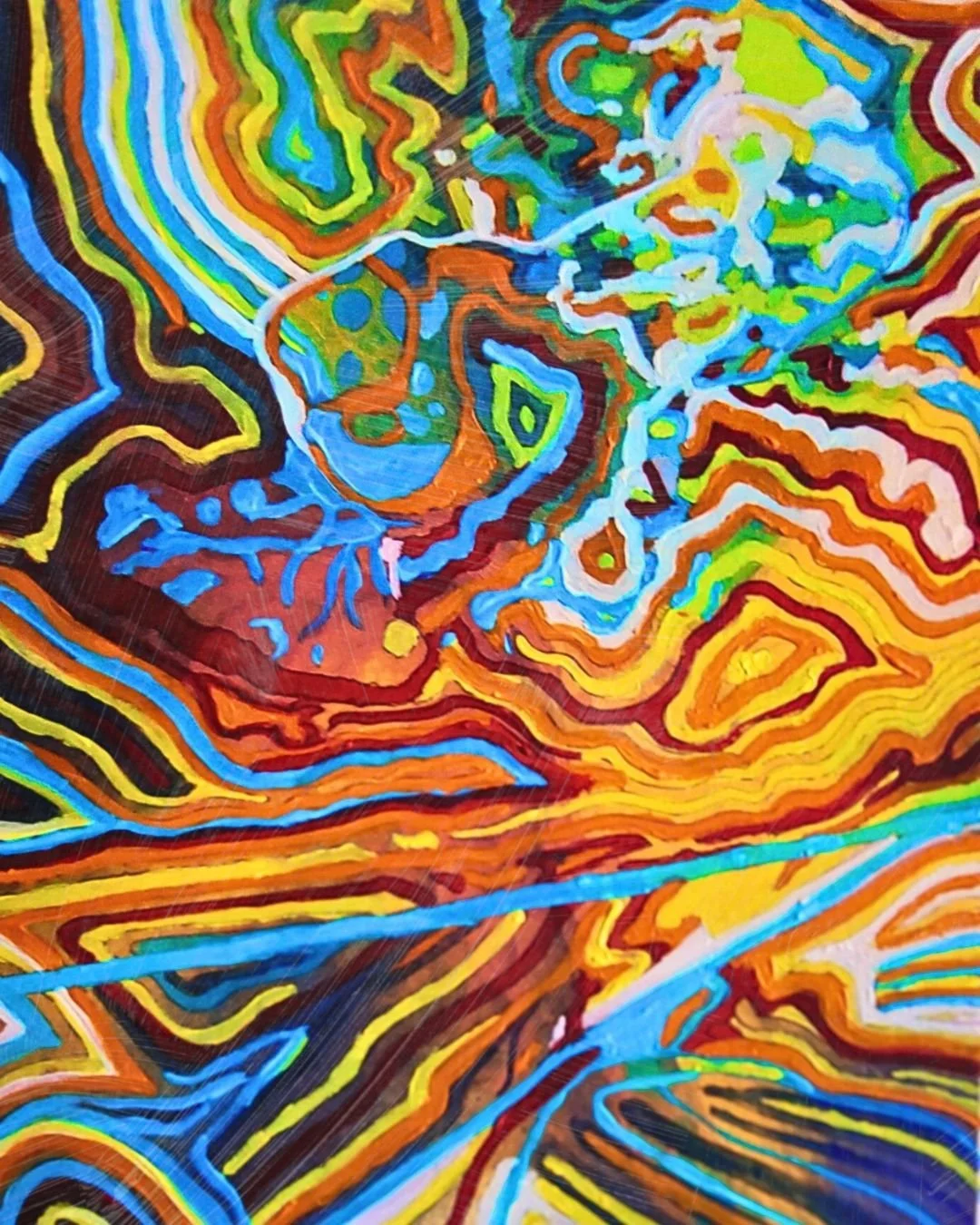
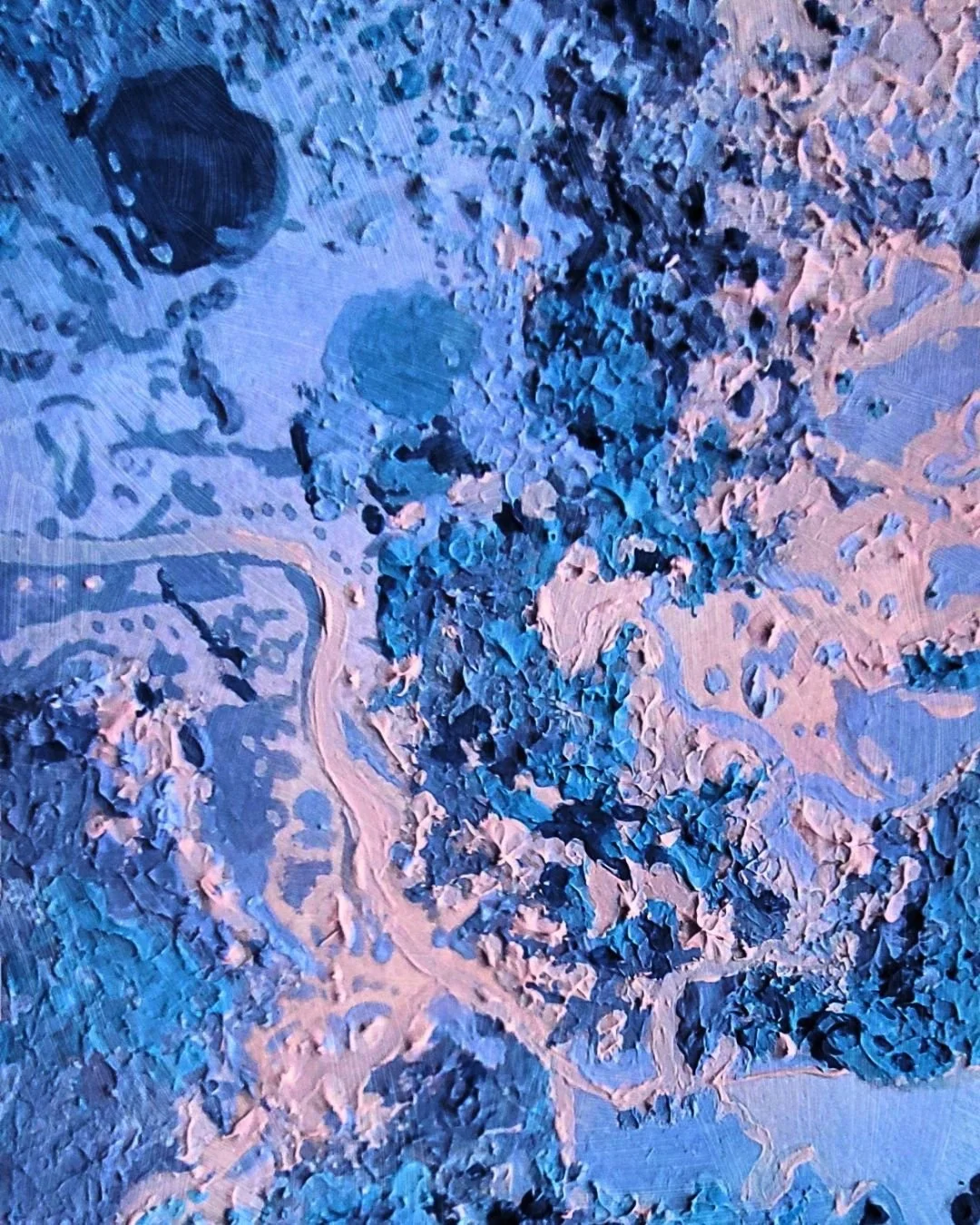
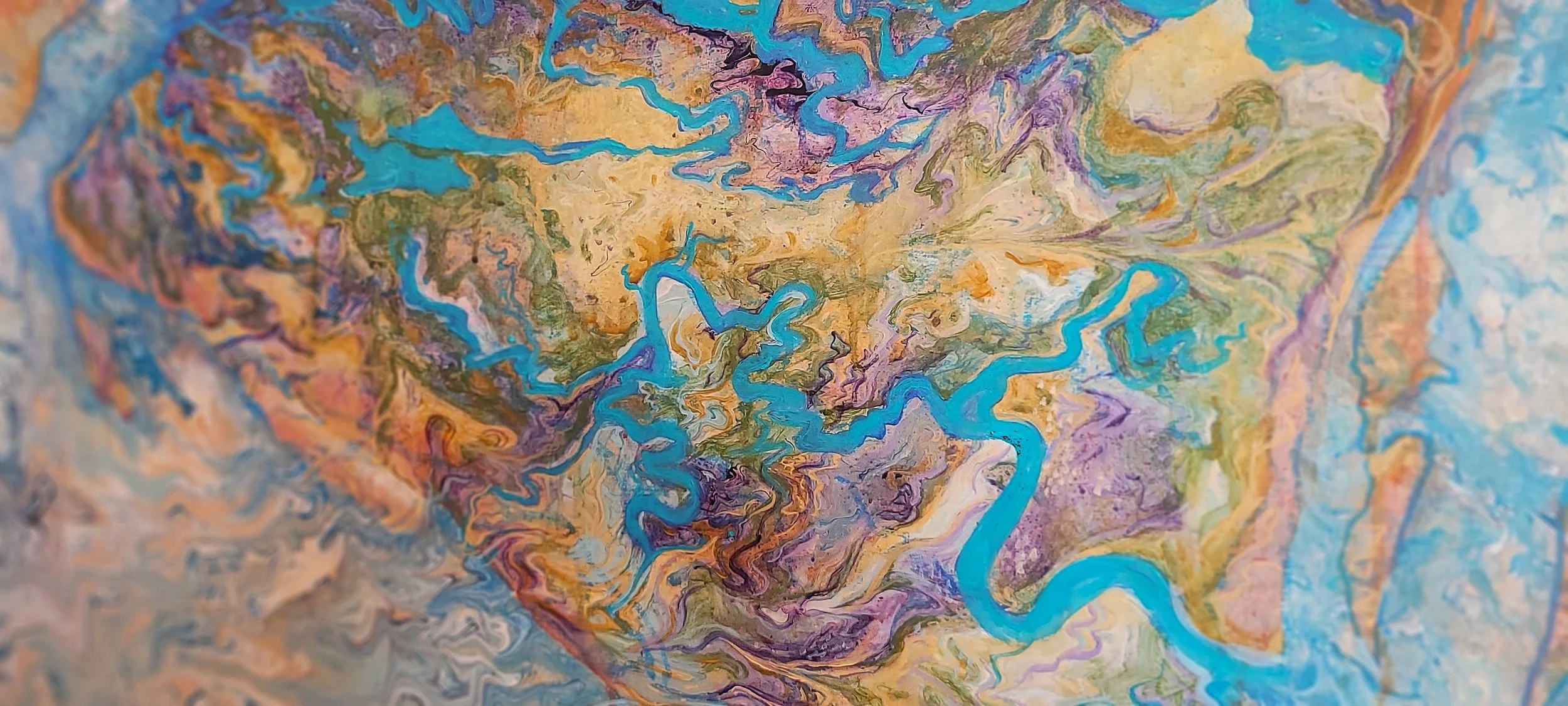
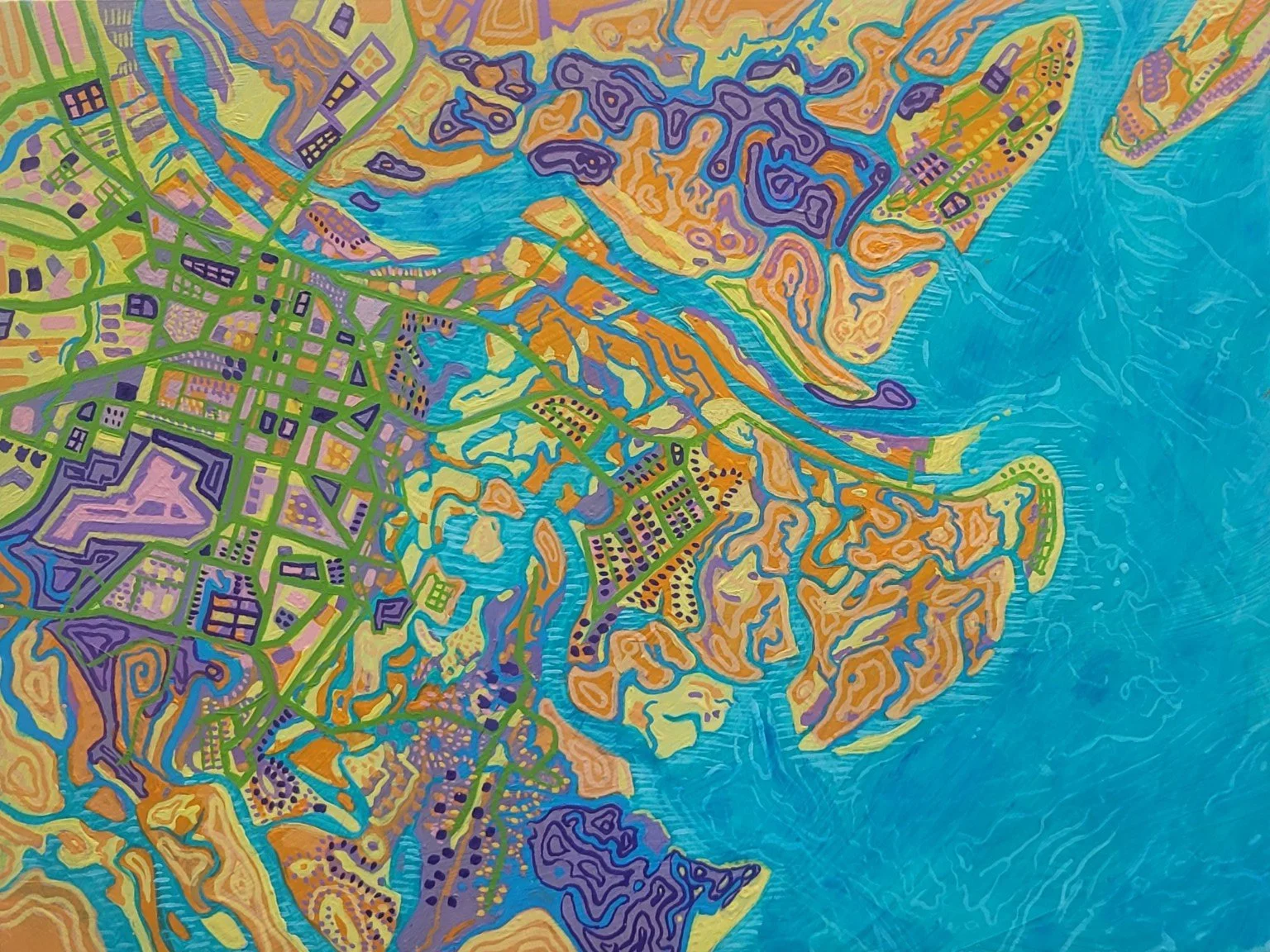
Working primarily in acrylic on birch wood panels, Robinson begins each painting with a real map before layering color, texture, and topographic forms to create an abstract interpretation of place. Rather than documenting geography, her work explores how destinations become part of our personal stories through experience, history, and memory.
Travel serves as the foundation of her artistic practice. Time spent walking unfamiliar streets, exploring landscapes, and learning the history of a place informs each composition. Rivers, coastlines, mountain ranges, vineyards, and cities become visual records of lived experience rather than literal representation.
Robinson earned a Bachelor of Fine Arts in Studio Art from Florida Southern College and later completed a Master of Science in Data Analytics and Research from Southern New Hampshire University. Her background in both fine art and research informs a practice grounded in observation, curiosity, and thoughtful storytelling.
Her work has been selected for international juried exhibitions including Landscape and Places (Women in Arts Network), Abstract Zone 2026 (Exhibizone), and Extinction 2026: A Planet in Fragile Balance (Gallerium).
Recent News
Artist Statement
My paintings explore abstract cartography, translating landscapes and lived experiences into layered visual maps of movement, memory, and place. I approach maps not as technical diagrams but as living systems that reveal circulation, pressure, and transformation across land. In these works, geography becomes both physical terrain and personal archive, where travel, memory, and identity converge. Each painting reflects an attempt to understand how people move through environments and how those environments quietly shape who we become.
My process begins with observation and recollection of specific places. I work with layered paint structures that echo natural systems such as river paths, shifting coastlines, and geological strata. Lines move through the composition like routes or currents, while color fields accumulate slowly, creating depth that mirrors the experience of moving across terrain. This method allows the paintings to develop gradually, much like landscapes themselves, through time, pressure, and accumulation.
Travel plays a central role in this process. Years spent moving across the United States, particularly within the national parks, reshaped how I understood geography as lived experience rather than static territory. Standing within landscapes such as the Grand Tetons revealed how place holds memory, atmosphere, and shared history. A map of a mountain range does not only describe elevation and distance. It contains moments, encounters, and quiet observations that linger long after the journey ends.
At the same time, maps carry cultural narratives. Throughout history, artists, explorers, and surveyors have shaped how land is seen and claimed. Figures such as Thomas Moran and Julius Haast helped define the visual language through which landscapes were interpreted and remembered. Their work reminds us that images of land are never neutral. They participate in broader conversations about power, belonging, and stewardship.
My paintings exist within this intersection of geography and experience. They offer spaces where viewers can locate themselves within the landscape of the work. In doing so, the paintings invite reflection on how land connects past and present, memory and movement, individual journeys and shared ground.
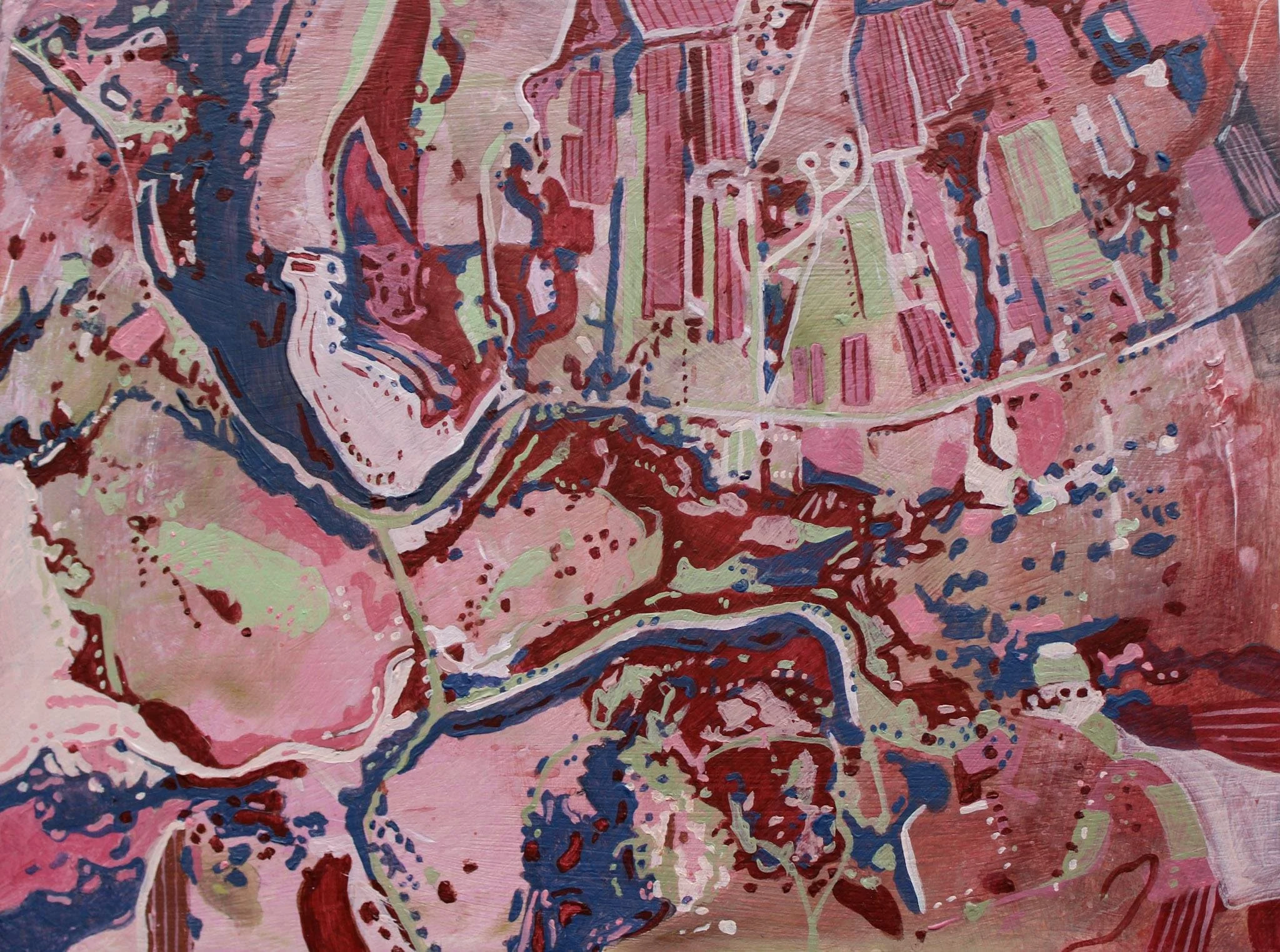
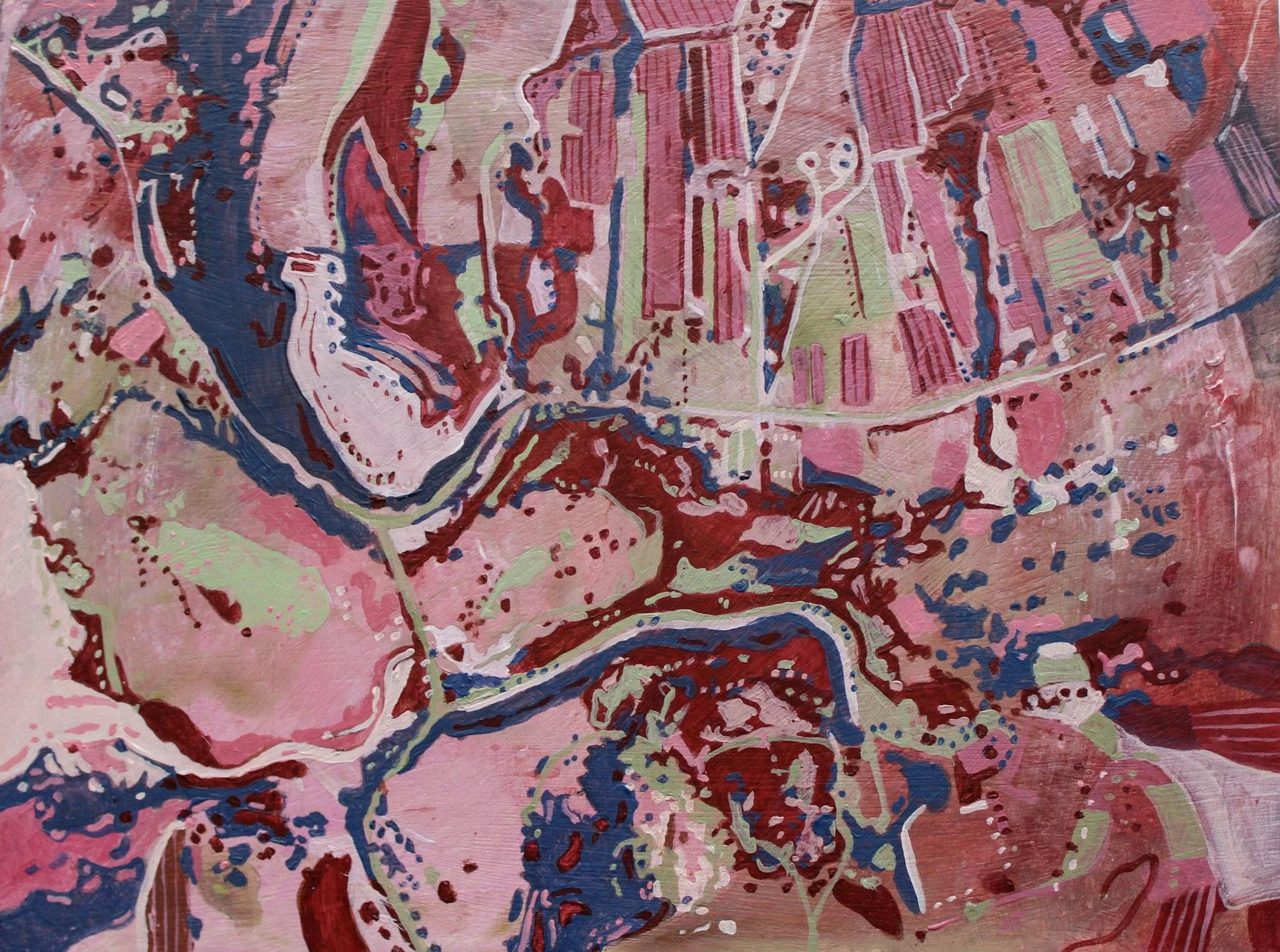
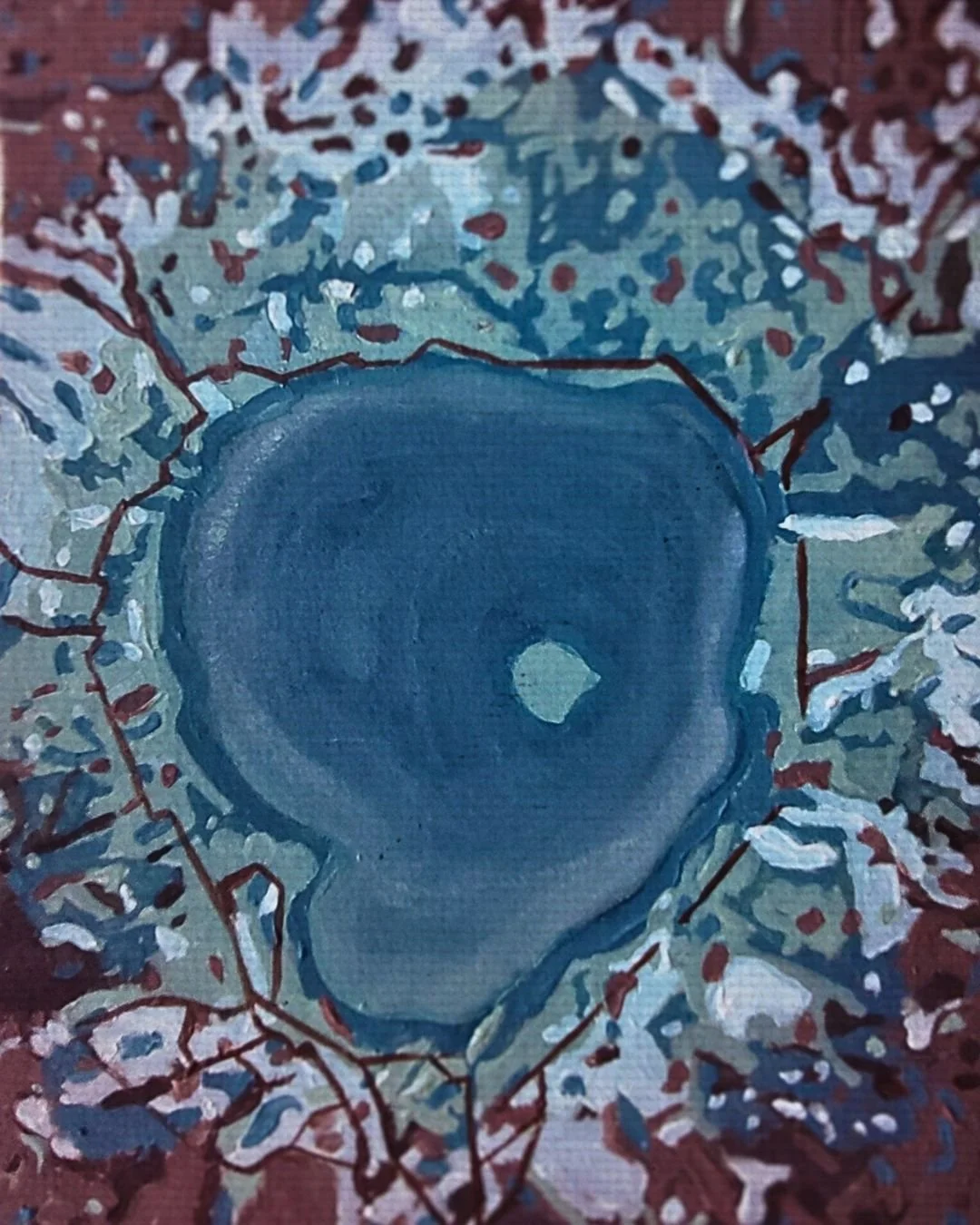
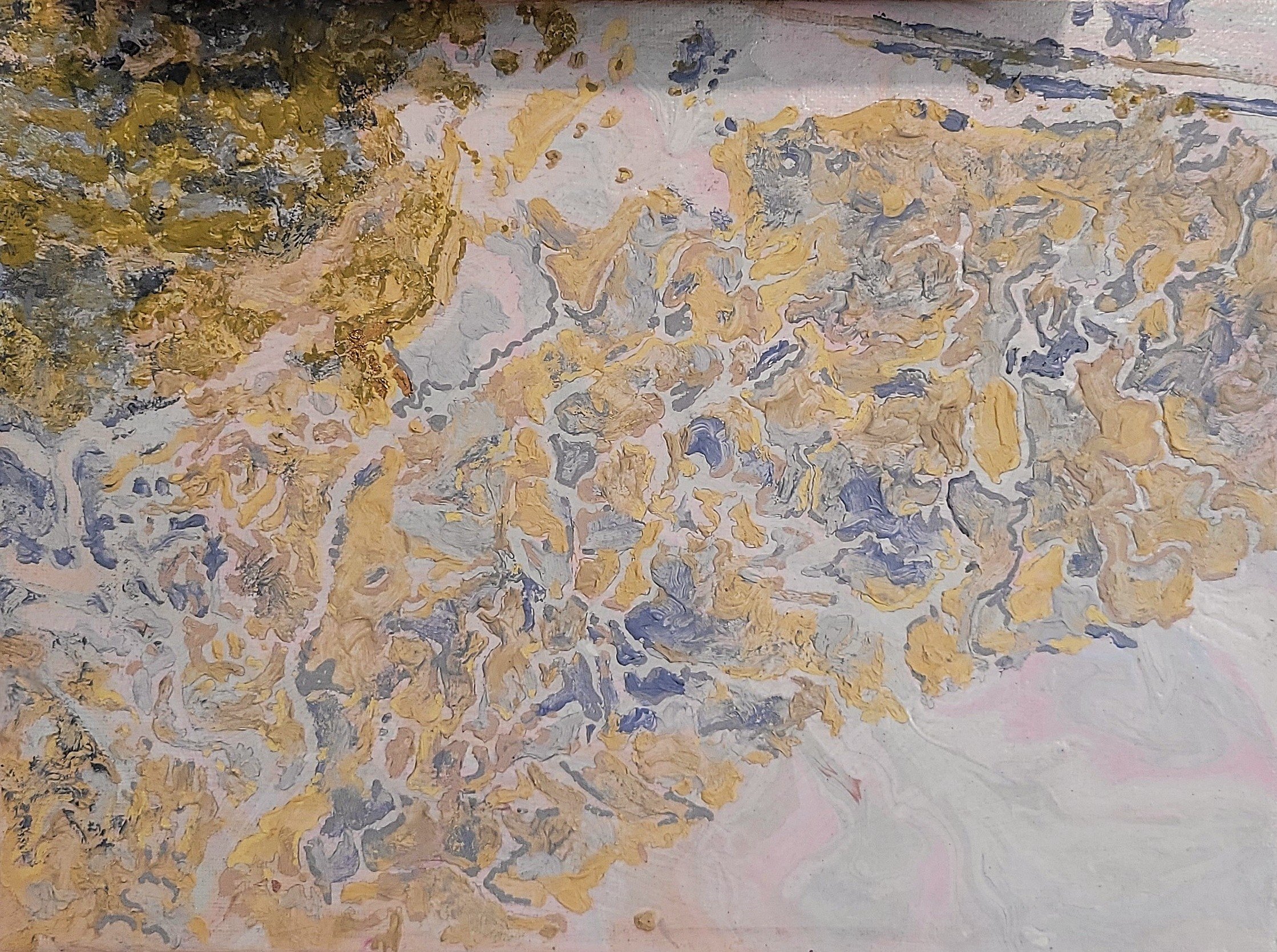
This painting draws inspiration from Tantalus Estate in Waiheke Island’s Onetangi Valley. Deep reds and dusty rose tones echo the character of Tantalus Syrah, while cooler blues trace the vineyard’s curves, translating the landscape and layered complexity of the wine into an abstract memory of place and experience.
Tantalus, Waiheke Island, New Zealand, 2026
Acrylic on Birchwood Panel, 9”x12”
Travel & Process
"Every painting begins with a journey. Maps provide the structure, but it is the experiences we collect along the way that give them meaning. My work explores the places that stay with us long after we've returned home."
Biography
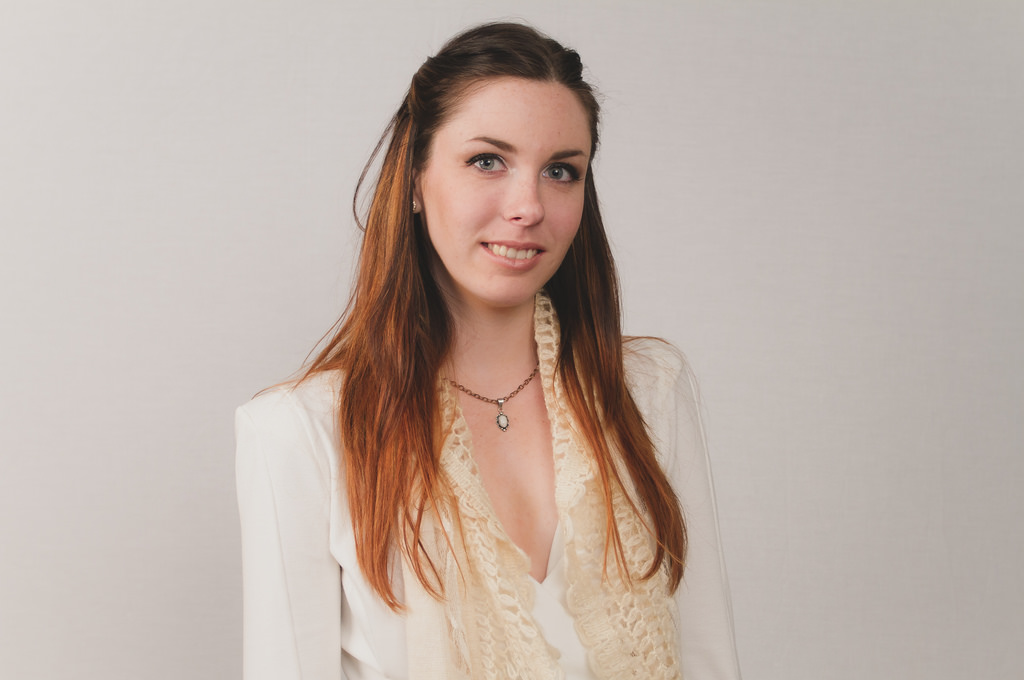
Christina Robinson is a contemporary artist based in Savannah, Georgia, and the founder of CLR Creations. She creates abstract cartography paintings inspired by travel, transforming maps into layered works that explore memory, identity, and our connection to place. Beginning with real maps, each painting evolves through texture, color, and topographic forms into an abstract landscape that reflects both geography and lived experience.
Robinson's relationship with art began at the Pinellas County Center for the Arts, where she studied in a conservatory-style visual arts program that emphasized both technical skill and creative exploration. She went on to earn a Bachelor of Fine Arts in Studio Art and Graphic Design from Florida Southern College, where her work received Best of Show at the Lakeland Art Association Annual Fine Arts Exhibition. She later completed a Master of Science in Data Analytics and Research from Southern New Hampshire University, bringing together artistic practice with research, strategy, and communication.
Her education extends beyond the classroom. Through extensive travel, Robinson has studied the work of master artists in museums across the United States and Europe, including the National Gallery of Art, the Smithsonian Institution, the New Orleans Museum of Art, the Prado Museum, the Uffizi Gallery, the Vatican Museums, and the Museu Nacional d'Art de Catalunya. These experiences deepened her understanding of how artists throughout history have interpreted landscape, identity, and the human relationship with place.
Early in her career, Robinson worked within the galleries and museums of New Orleans, gaining firsthand experience in exhibition practices, art education, and the role artwork plays beyond the studio. She later spent seven years living and working in Grand Teton National Park, where daily immersion in the landscape transformed the way she understood geography. What began as a love of travel became an appreciation for the ways places shape memory, identity, and belonging.
For more than a decade, Robinson built a successful career in hospitality, sales, marketing, and revenue management while continuing to travel extensively for work. Visiting cities, national parks, vineyards, coastlines, and historic landscapes around the world became an ongoing form of artistic research. Those experiences now form the foundation of her studio practice.
Her paintings begin with maps, but they are not about navigation. Instead, they explore the memories that become attached to landscapes over time. Rivers recall conversations. Mountain ranges hold seasons of life. Coastlines preserve moments of wonder and change. Through layers of texture and expressive color, Robinson transforms geography into visual narratives that invite viewers to reflect on the places that have shaped their own lives.
In 2026, Robinson returned to painting full time, bringing together years of travel, observation, and professional experience into a renewed body of work. Her paintings have since been selected for international juried exhibitions, including Landscape and Places presented by Women in Arts Network, Abstract Zone 2026 presented by Exhibizone, and Extinction 2026: A Planet in Fragile Balance presented by Gallerium.
Today, Robinson continues to create original paintings, fine art prints, and commissioned works from her Savannah studio. Whether inspired by the vineyards of New Zealand, the mountains of Wyoming, or the historic waterways of coastal Georgia, each painting reflects her belief that maps are more than records of geography. They are records of where our lives have unfolded, preserving the landscapes that continue to shape who we are.
-
Education
2013, B.F.A, Studio Art, Florida Southern College, Lakeland, FL
2016, Certificate, Marketing Strategies, Cornell University
2023, Certificate, Hospitality Industry Analytics, STR
2023, M.S, Data Analytics and Research, Southern New Hampshire University, Manchester, NHPre-Professional Training
Pinellas County Center for the Arts (PCCA), St. Petersburg, FloridaExhibitions
Women in Arts Network | Landscape and Places | International Virtual Exhibition
2026Tantalus, Waiheke Island, New Zealand was selected for Women in Arts Network's international virtual exhibition exploring the connection between landscape, memory, and place.
Exhibizone | Abstract Zone 2026 | International Juried Online Exhibition
May 7 to July 7, 2026Little House, Waiheke Island, New Zealand was selected for Exhibizone's international juried exhibition celebrating contemporary abstraction.
Gallerium | Extinction 2026: Save the Planet | International Juried Online Exhibition
April 22 to June 22, 2026Goldie, Waiheke Island, New Zealand was selected for Gallerium's international juried exhibition examining environmental change through contemporary art.
2014, RAW Artists, Austin, TX
2013, LAA Annual Fine Arts Exhibition, Melvin and Burkes Gallery, Lakeland, FLProfessional Experience
Studio Artist, CLR Creations, Savannah, Georgia
Adjunct Professor, Hospitality Management
Professional experience in hospitality management for Marriott, IHG, Hilton, and Vail Resorts.
Professional experience in galleries and museums, New Orleans, Louisiana
Independent Study
National Gallery, London
Smithsonian Institution, Washington, D.C.
New Orleans Museum of Art (NOMA)
Museo del Prado, Madrid
Uffizi Gallery, Florence
Vatican Museums, Rome
Museu Nacional d’Art de Catalunya, BarcelonaCollections
Private collections, United States