Back to Life: A New Series Unveiled
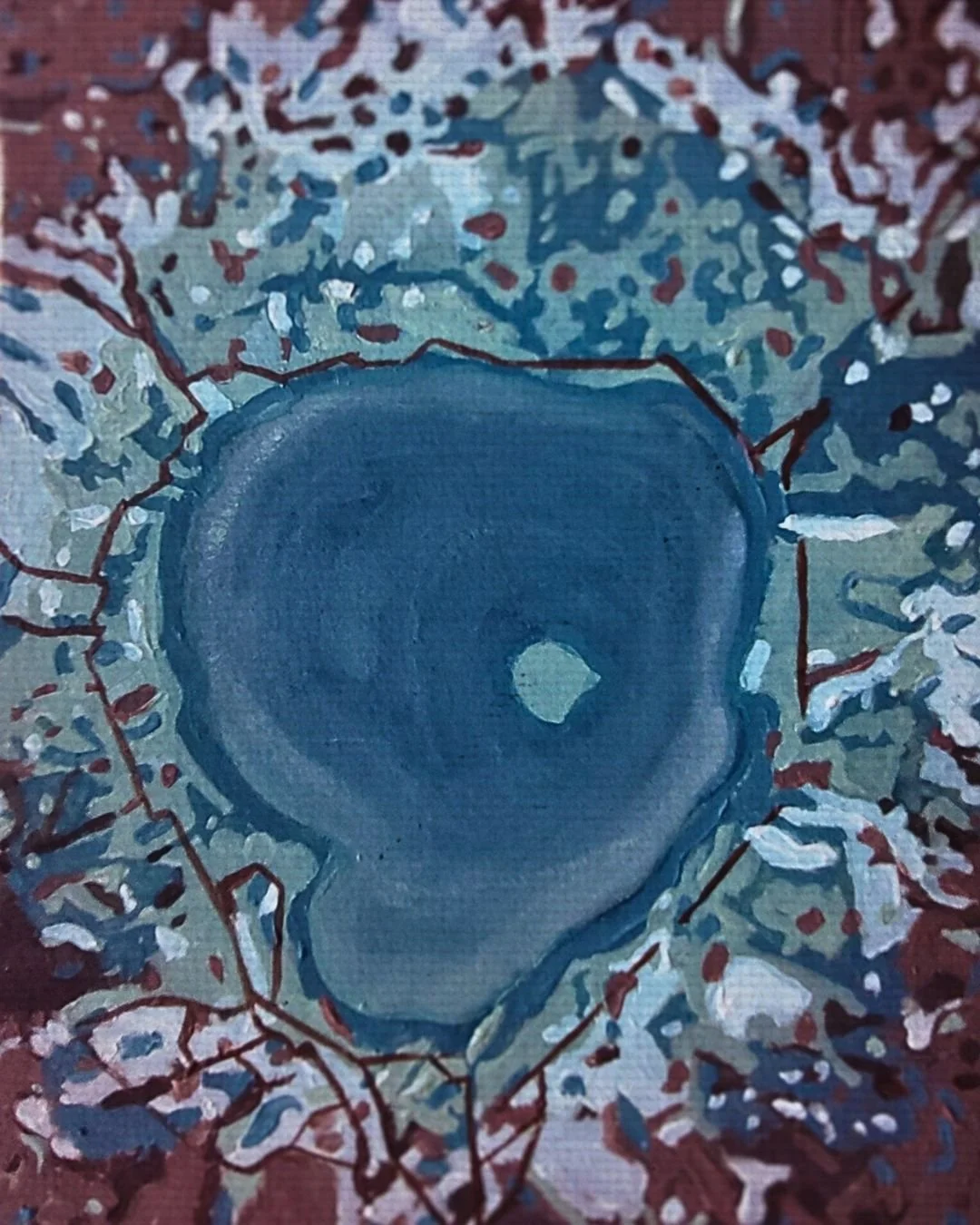
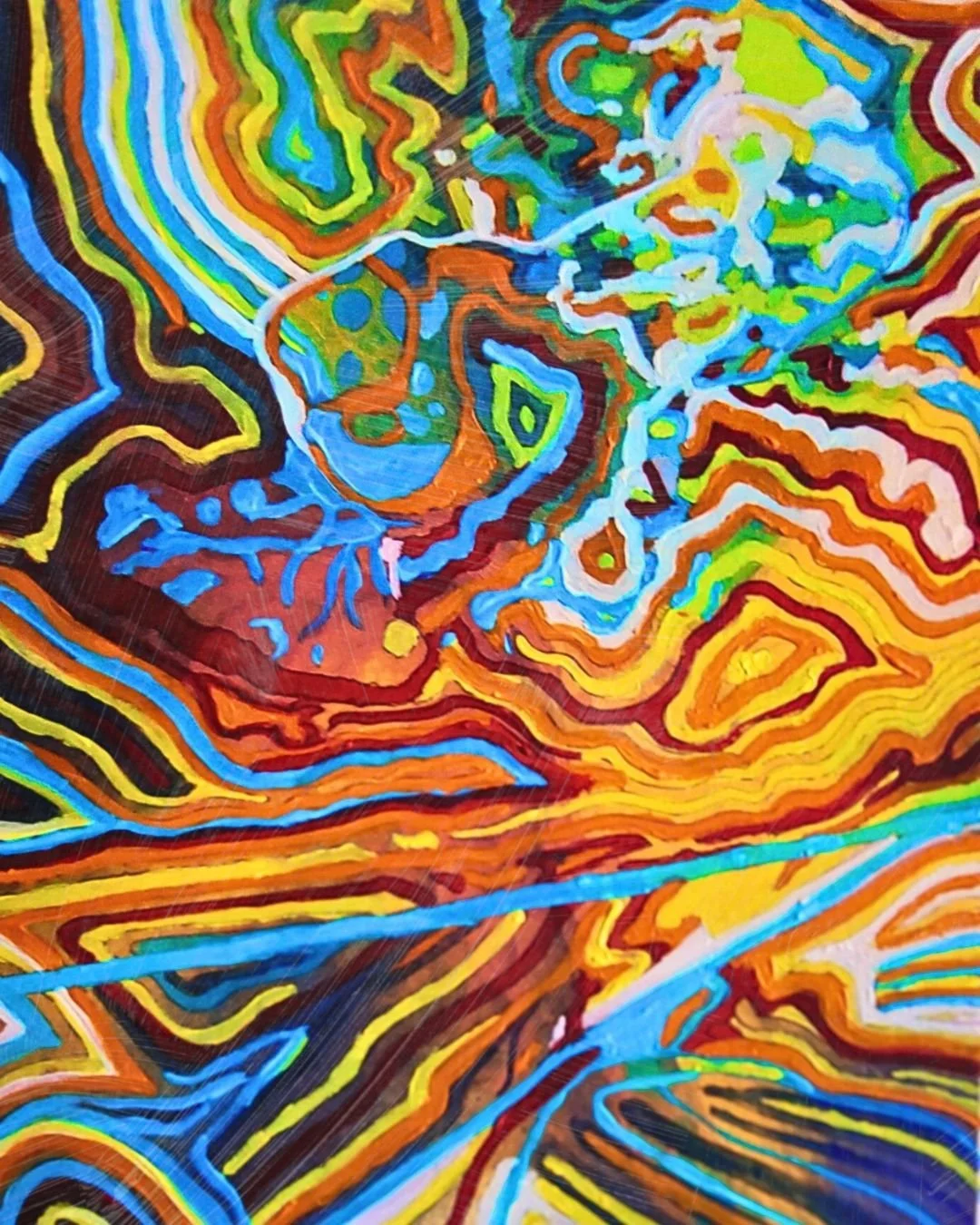
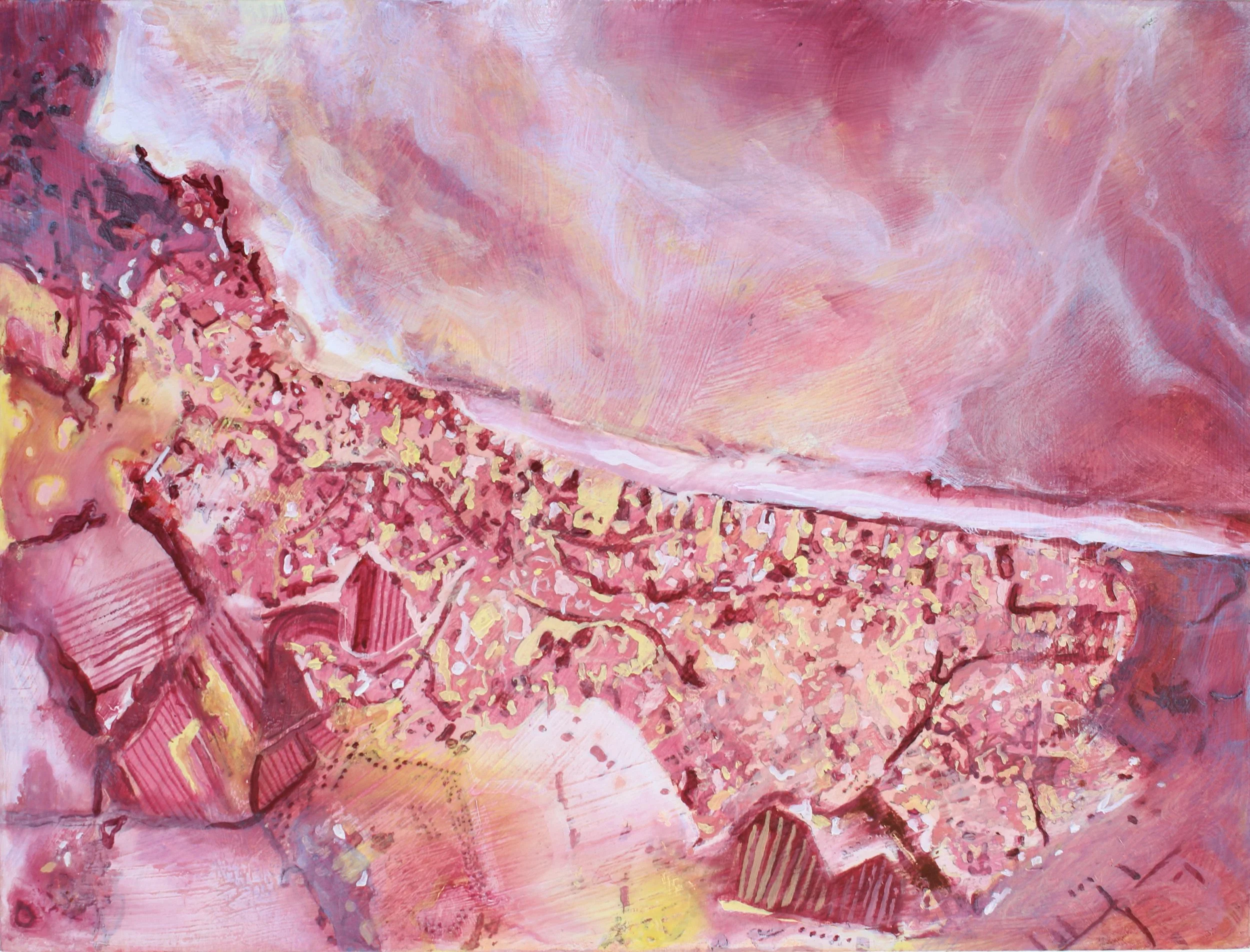
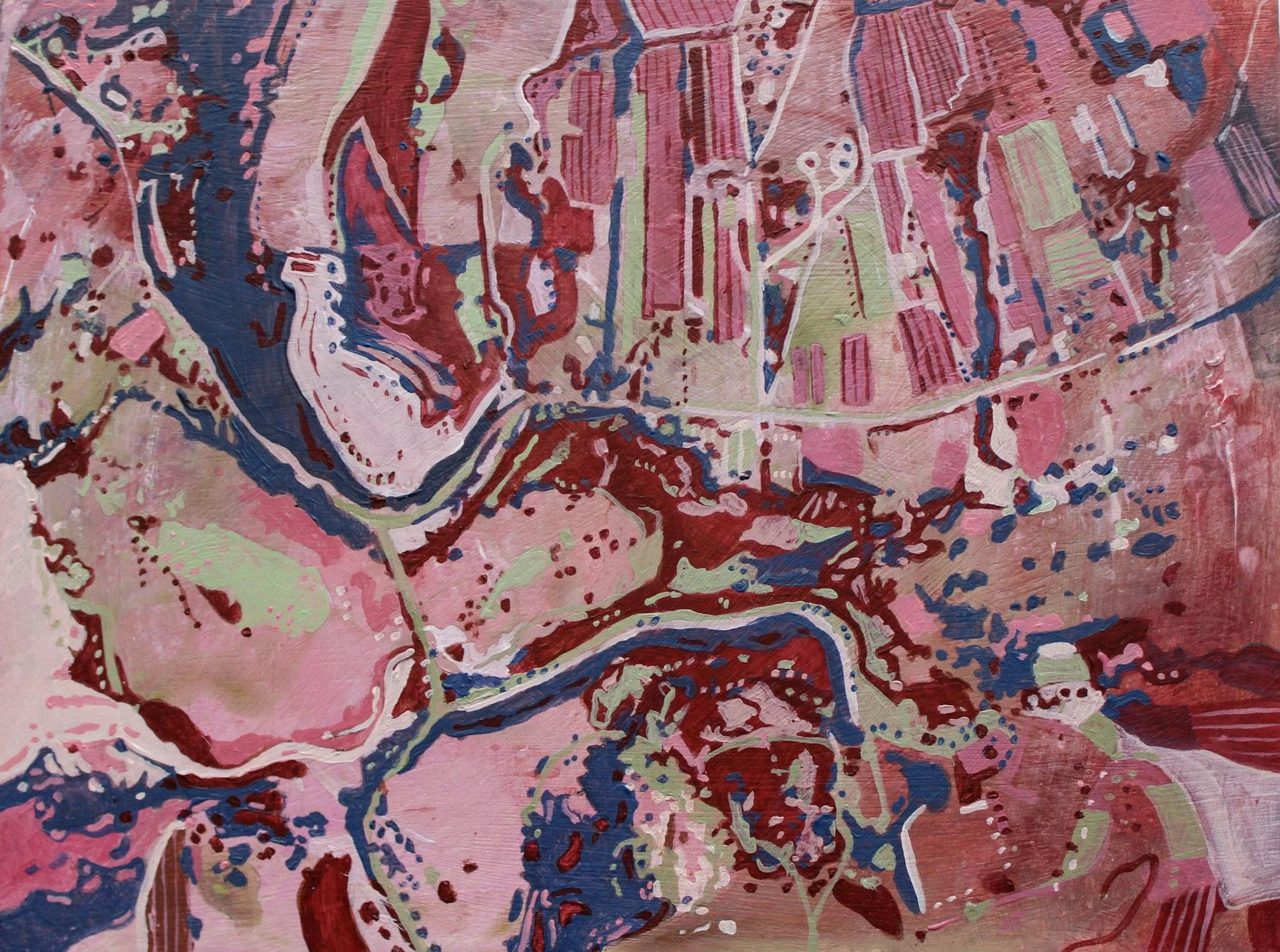
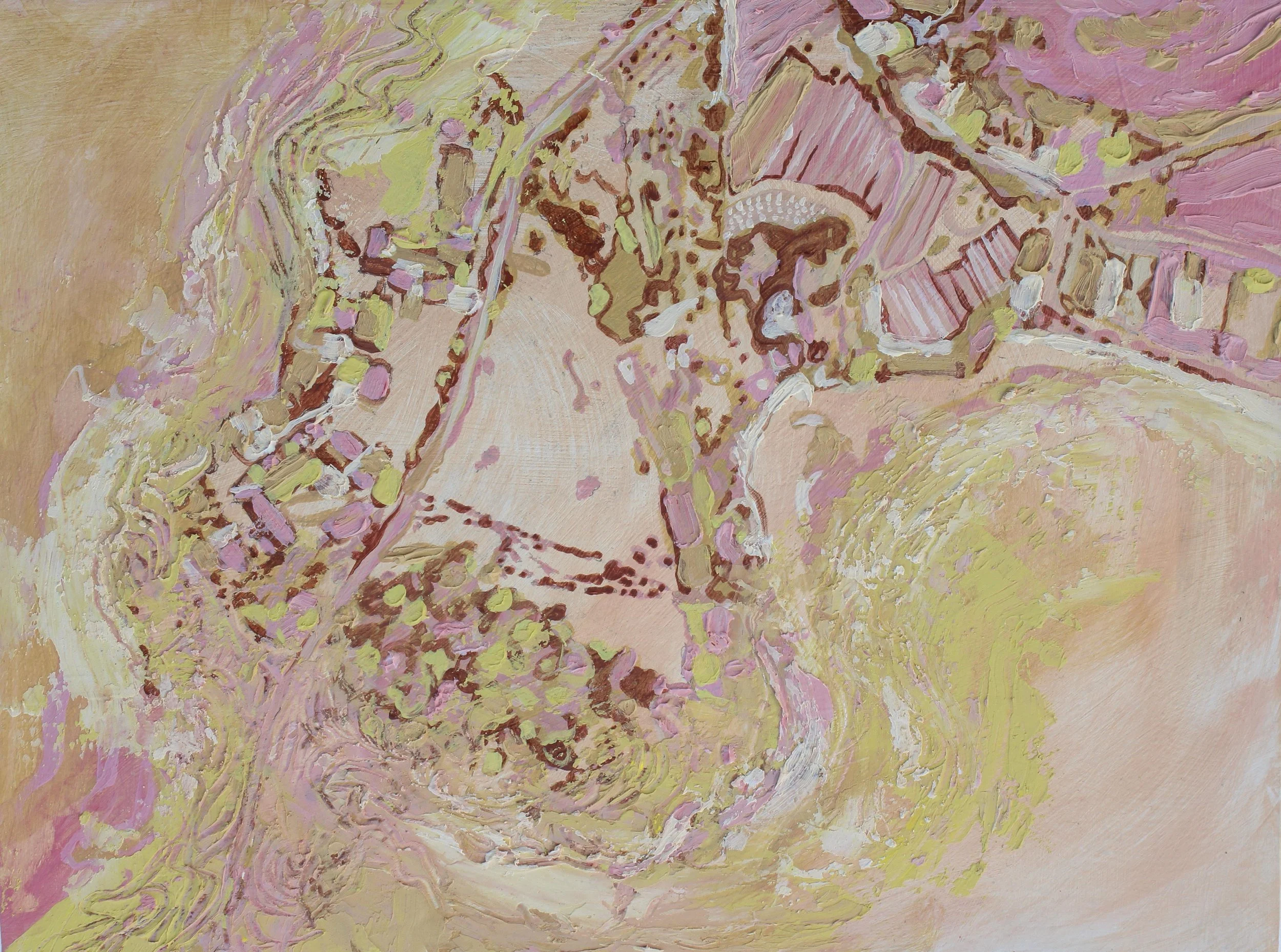
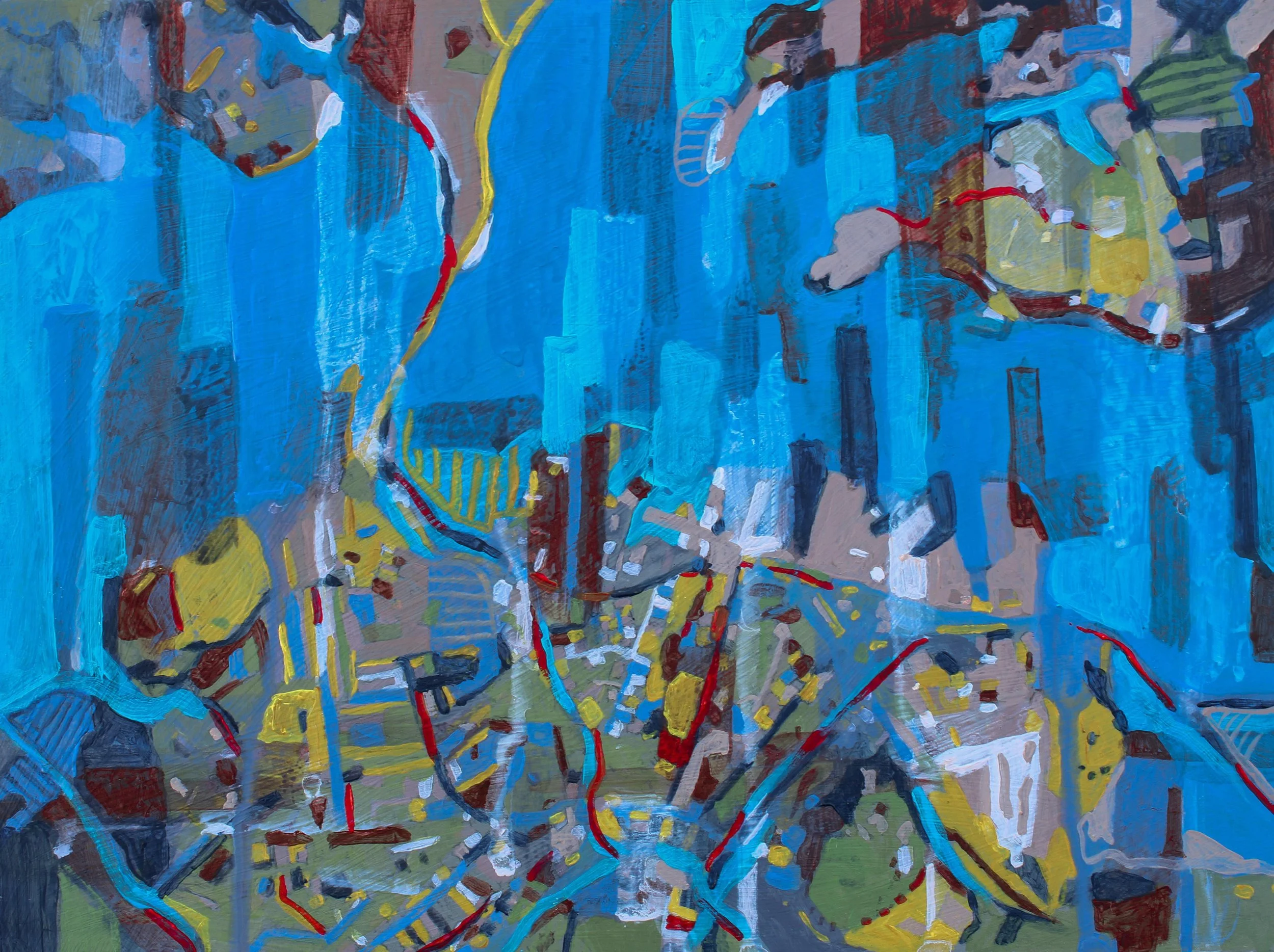
Back to Life presents a series of abstract cartographic paintings developed through sustained travel across New Zealand, a landscape in which land, identity, and history are in continuous relationship. Rather than representing specific locations, the works translate lived experience into abstracted spatial systems that examine how place informs identity through time, movement, and memory.
In New Zealand, landscape functions as a carrier of cultural meaning. Prior to the imposition of colonial mapping systems, land was understood through Māori concepts of whakapapa, in which genealogy, ancestry, and geography exist as an interconnected continuum. Mountains, rivers, and coastlines operate not only as physical features but as living presences tied to responsibility, inheritance, and belonging. Colonial settlement introduced new frameworks of ownership, borders, and extraction, fundamentally altering both the land and the narratives through which it is understood.
The contemporary geography of New Zealand retains the layered evidence of these transformations. Survey lines, agricultural grids, and infrastructure overlay earlier pathways, sacred sites, and ecological networks. Ongoing migration and global exchange have further complicated definitions of belonging. This series engages that complexity through close observation, mapping not only physical movement through space but the accumulation of cultural presence, tension, and memory embedded within the terrain.
The work draws from art historical traditions that treat landscape as an active subject rather than a passive image. In alignment with Enlightenment approaches grounded in observation and inquiry, the paintings engage land as something to be studied with care rather than claimed. They also resonate with Romantic and later modern perspectives that frame landscape as a site of spiritual, emotional, and philosophical encounter. Authority and completion are intentionally withheld, acknowledging the limits inherent in human attempts to define, measure, or contain land.
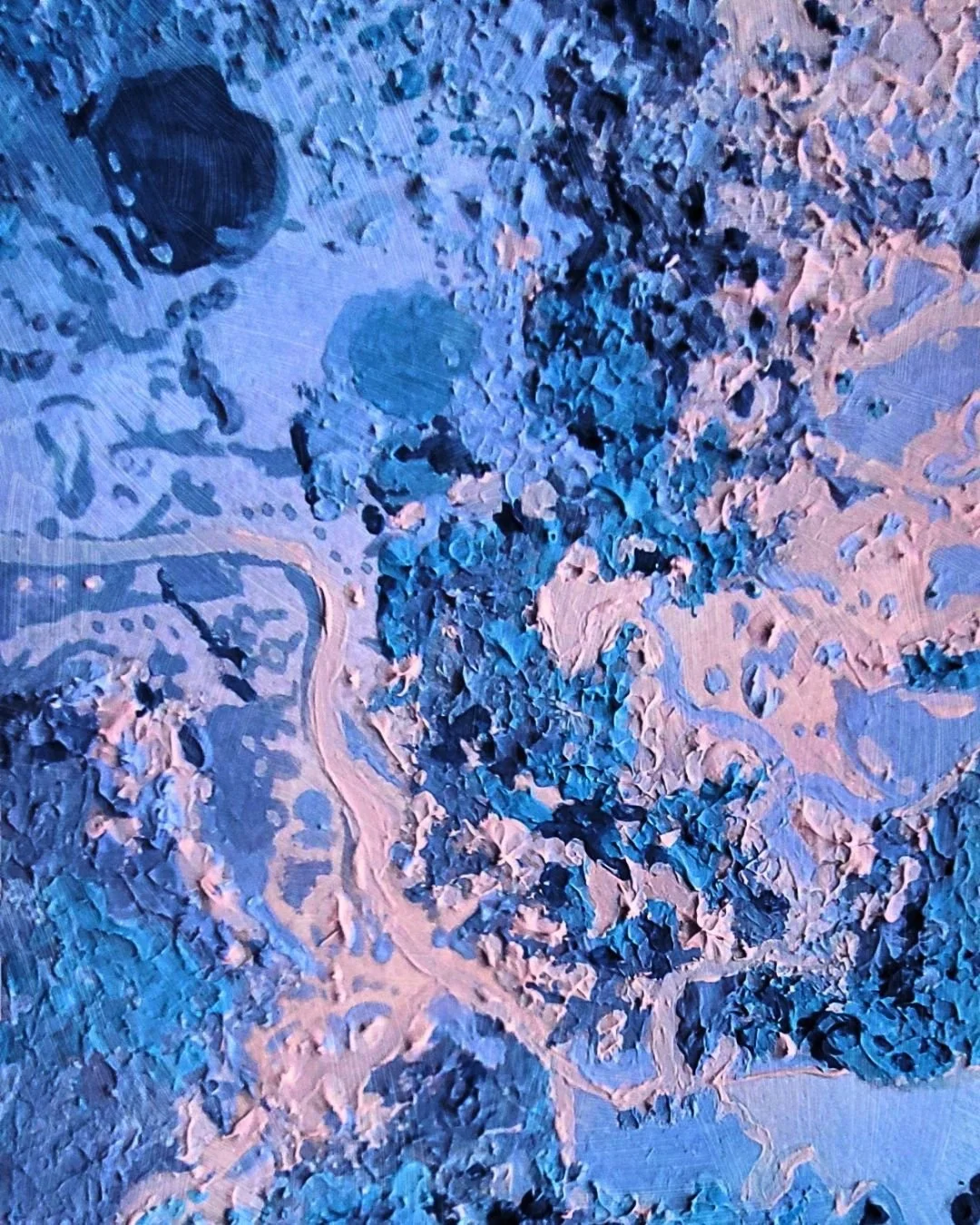
Material decisions reinforce these conceptual concerns. Acrylic is layered gradually onto sealed birch wood panels, alternating between translucent passages and compressed impasto structures. This method reflects geological formation while referencing the human impulse toward order and control. The structural resistance of the panel contrasts with the organic movement of the paint, producing a physical tension that parallels the interaction between natural processes, divine creation, and human intervention. Smooth fields exist alongside rupture and resistance, echoing landscapes shaped by both continuity and disruption.
Color operates sensorially rather than descriptively. Mineral-based tones reference the materiality of the earth, while atmospheric shifts suggest weather systems, erosion, and environmental change. Residual marks evoke temperature, sound, and spatial presence rather than visual likeness. This abstraction prioritizes embodied memory over fixed viewpoint, allowing viewers to enter the work through their own experiences of land, history, and identity.
Through this framework, the paintings engage broader questions of authority, belonging, and self-understanding as they emerge from environment. Place is approached not as a static location but as a condition formed through interaction, history, and belief. The maps resist permanence, emphasizing change, negotiation, and layered existence.
The series ultimately positions landscape as a living record where geological time, human history, and spiritual understanding intersect. By resisting literal depiction, the work creates space for shared recognition, affirming that while places remain distinct, the experience of moving through land and being shaped by it is a universal condition.
